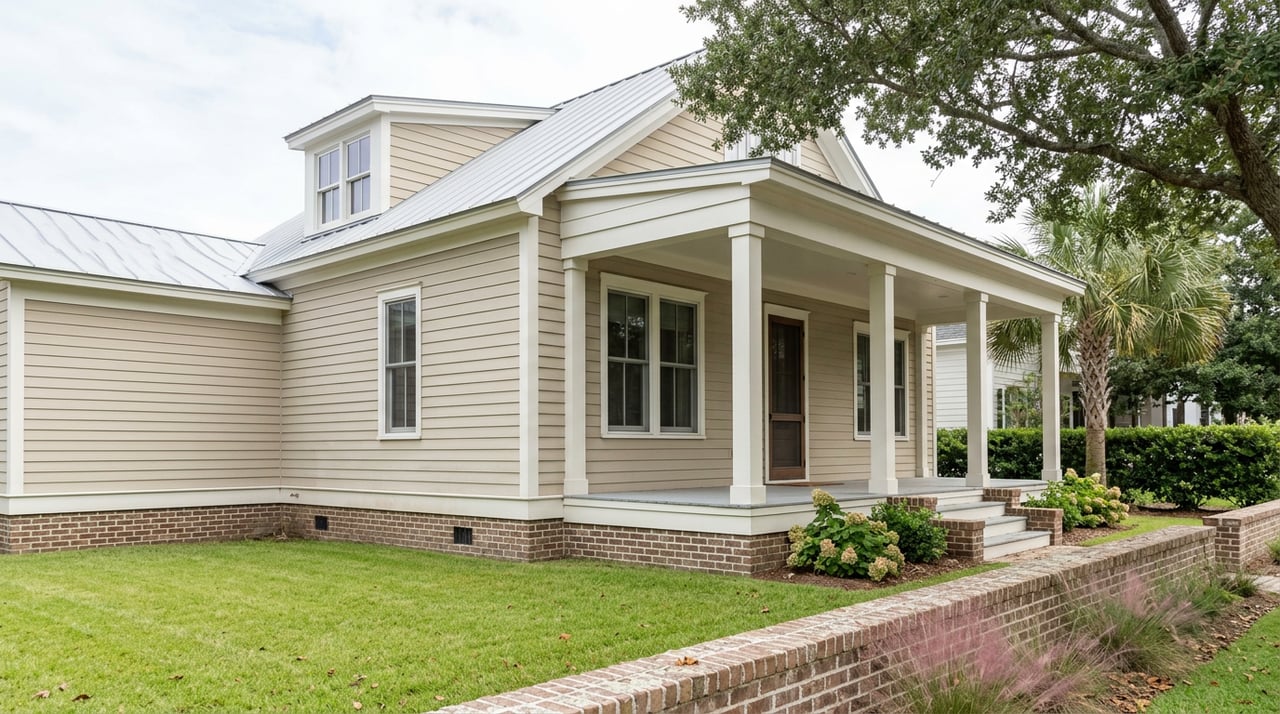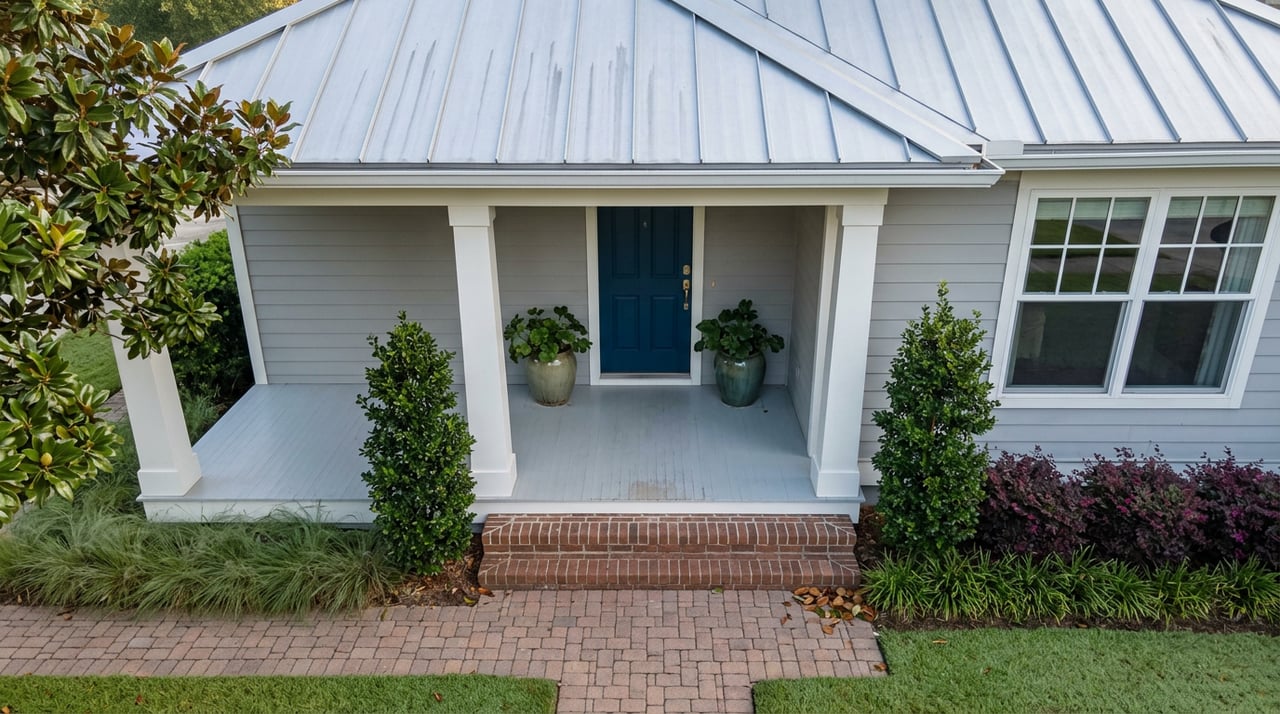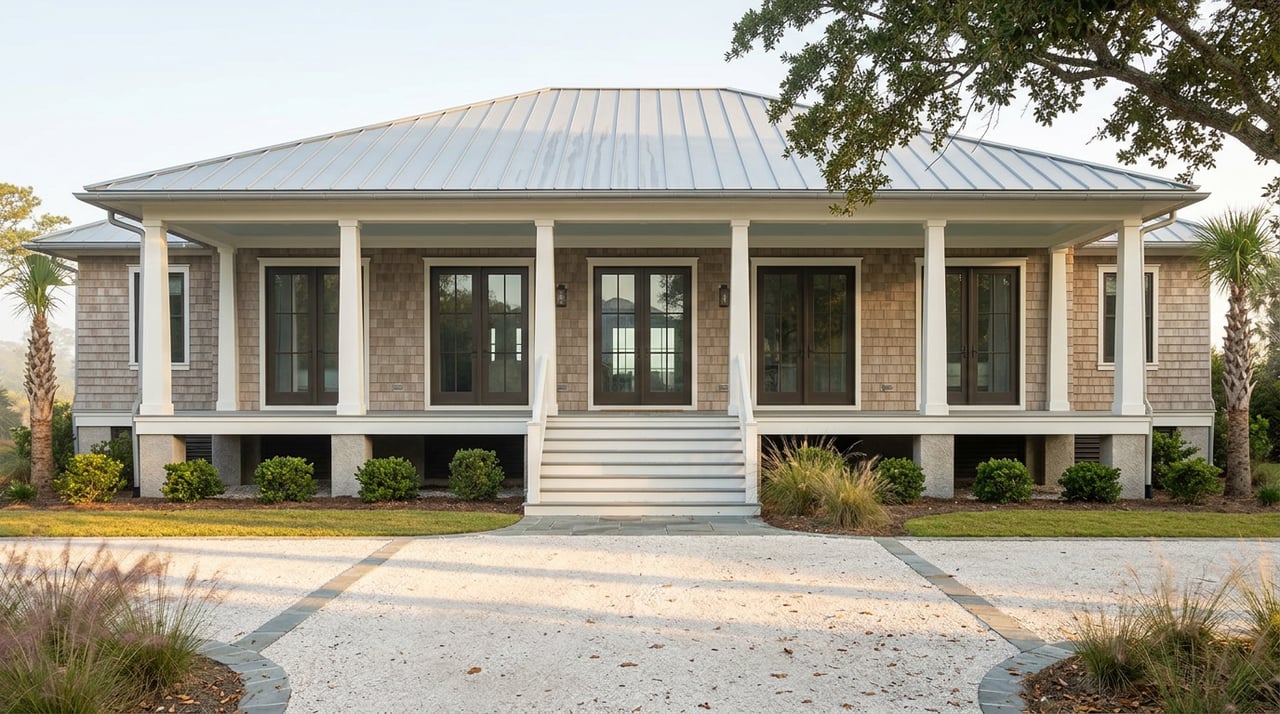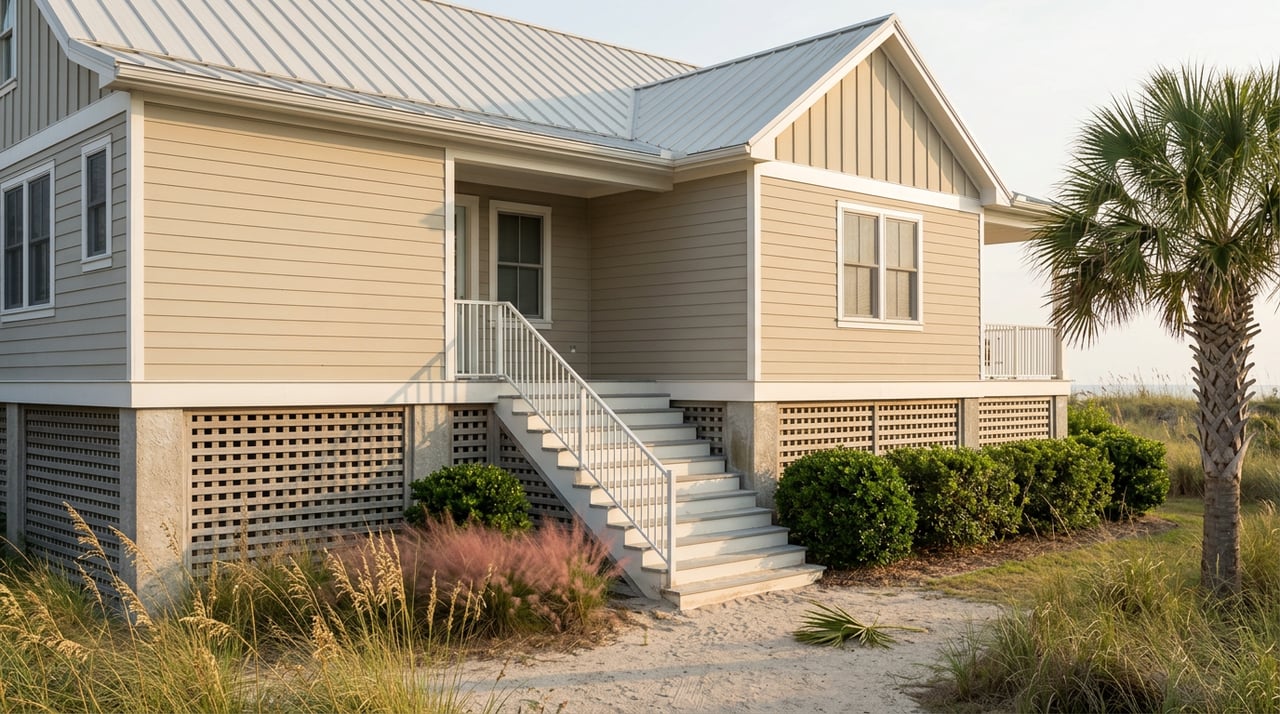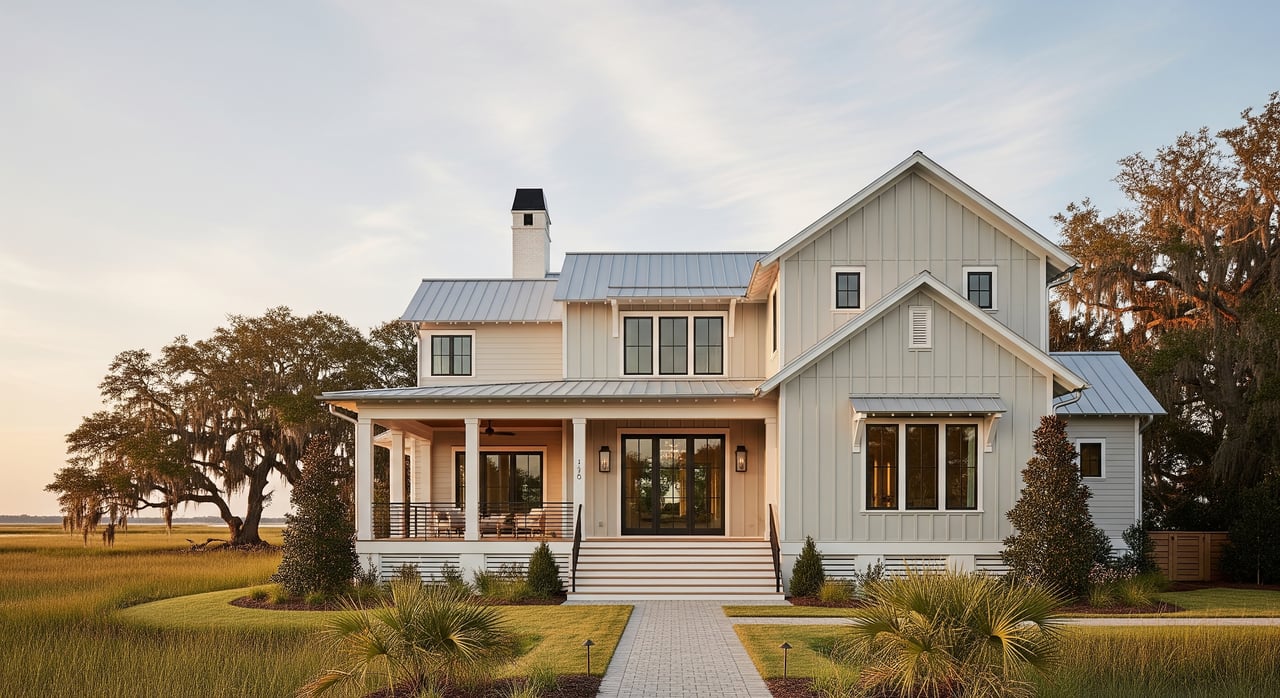
Thinking about a brand-new home in Mount Pleasant and not sure whether to build or buy? You are not alone. With coastal lifestyle perks and steady demand near Charleston, many buyers face this same choice. In this guide, you will learn how timelines, costs, flood rules, financing, and resale factors stack up for both paths in Mount Pleasant. Let’s dive in.
Mount Pleasant new-home landscape
Mount Pleasant has grown steadily with a mix of master-planned communities, infill single-family lots, townhomes and condos near the water, and luxury estate builds. Proximity to downtown Charleston, coastal living, and strong area amenities all drive demand. At the same time, developable land is limited in select neighborhoods, which has pushed more new construction into planned communities and denser projects.
For you, this means two practical things. First, resale inventory can be tight in certain price ranges, while builders often have quick-move-in homes. Second, lots for custom builds may be scarce and carry premiums, especially for waterfront or higher-elevation parcels. If you have a very specific vision or location in mind, start your lot search early.
Build vs buy: key tradeoffs
When building fits
- Pros:
- Full design control over layout, finishes, and systems.
- New systems and materials with warranties, plus options for energy and flood-resilient features.
- Ability to choose your lot if available.
- Cons:
- Longer timeline with more uncertainty from permitting, weather, or supply chain shifts.
- Higher soft costs for design, engineering, and impact fees.
- Limited lot availability in preferred areas and premiums for elevated or waterfront sites.
When buying spec fits
- Pros:
- Faster, more predictable move-in timeline.
- Potential builder incentives or closing-cost help.
- Straightforward financing with many standard mortgage options.
- Cons:
- Less customization and limited late-stage changes.
- Builder contracts often favor the builder on schedules and warranty terms, so careful review is key.
Resale and marketability
New homes in desirable neighborhoods typically draw strong buyer interest. Still, compare price per square foot and nearby resale comps. New builds can carry a premium that may limit immediate equity if nearby resales are priced lower. Long-term value also tracks with builder reputation, HOA rules and dues, and the neighborhood’s overall appeal.
Timelines and cost drivers
Typical timelines
Actual timing varies by lot, utilities, and materials. Expect ranges like these:
- Spec or production home: roughly 4 to 9 months from start of construction to closing when plans and lots are ready.
- Semi-custom: about 6 to 12 months.
- Full custom: commonly 9 to 18 months or more, especially for complex sites or added permitting steps.
Cost drivers you should watch
- Lot costs: often the largest line item, with premiums for waterfront or higher-elevation sites.
- Foundation and elevation: many coastal lots need elevated foundations, pilings, or raised slabs.
- Site work: clearing, grading, utilities, driveways, stormwater features, and tree mitigation.
- Materials and labor: reflect broader market conditions.
- Upgrades and finishes: selections can push budgets quickly.
- Impact and connection fees: water, sewer, and other municipal fees add up by parcel and subdivision.
Insurance and hazard exposure
Flood and wind risks matter in Mount Pleasant. Much of the area sits within FEMA flood zones, including A, AE, and V or VE near the coast. Lenders often require flood insurance in mapped zones, and some buyers choose coverage even outside those areas. Premiums depend on elevation and the home’s design. Wind coverage and hurricane deductibles are also common. The safest move is to obtain preliminary flood and homeowners insurance quotes early, based on your specific lot and plan.
Permits, flood zones, and site factors
Within town limits, the Town of Mount Pleasant Planning and Development and Building Services oversees zoning, subdivision review, building permits, and inspections. Depending on scope, projects may need Planning Commission or Board of Zoning Appeals review. Procedures and fees can change, so verify current steps with the Town.
Elevation rules affect many coastal lots. You may need an elevation certificate to confirm base flood elevation and freeboard requirements. Design choices like pilings or raised slabs can change foundation cost. Stormwater, runoff, and wetlands protections also apply in Mount Pleasant. Expect requirements for buffers and trees, and plan for stormwater measures that fit your site. Because rules vary by parcel, get site-specific details early.
You should also budget for water and sewer connection fees and other impact fees. These differ by subdivision and utility provider. Some neighborhoods carry HOA design guidelines and maintenance obligations. While Mount Pleasant includes historically sensitive areas such as Old Village, most new construction occurs outside historic districts. Confirm the rules for your exact location before you finalize plans.
Financing and appraisal basics
Building from the ground up
Most buyers choose construction-to-permanent loans that convert to a mortgage when the home is complete. Two-close construction loans are available but add costs and timing risk. In either case, your lender will want detailed budgets, contractor agreements, a draws schedule, inspections, and contingency reserves.
Buying from a builder
Many buyers use conventional mortgages, FHA, or VA loans to purchase a newly built home. Some programs have added documentation for new construction, like completion certifications and warranty details. VA and FHA have specific appraisal and inspection criteria, so align early with your lender.
Appraisals and comps
Appraisals can be challenging in developing neighborhoods where recent comparable sales are limited. Lenders rely on closed sales, so be ready with documentation like builder pricing, material lists, and lot values. If an appraisal comes in low, you may need to bridge a gap with cash or adjust terms.
Buyer checklist: step by step
Early due diligence
- Confirm flood zone and elevation needs for the lot and review local maps.
- Check utility availability and timing for water, sewer, gas, and power, along with connection fees.
- Get preliminary insurance quotes for flood and wind based on the site and plan.
- Pre-qualify for construction financing and review appraisal requirements for new builds.
Contract and selections
- Review the builder purchase agreement for timeline, remedies for delays, warranty coverage, and inspection rights.
- Request a written list of standard features and upgrades, including pricing and allowances.
- Ask for builder references, past project photos, and permit history. Review public records where available.
Construction phase
- Schedule independent inspections at major milestones: foundation, framing, rough-ins, and final.
- Keep written records of communications and punch-list items. Confirm warranty steps and timelines.
How we help buyers and sellers
You deserve a clear, confident path from lot to keys. We bring builder and developer experience to guide you through each stage.
- Lot and community fit: We help you weigh flood exposure, elevation requirements, HOA rules, and connection fees alongside lifestyle goals.
- Builder matchmaking: We leverage local relationships to identify production, semi-custom, or custom options that fit your budget and timeline.
- Contract clarity: We flag key terms on schedules, remedies, upgrades, inspections, and warranty coverage so you know what to expect.
- Insurance and financing coordination: We align your lender’s documentation early and encourage early flood and wind insurance quotes.
- Quality control: We recommend milestone inspections and help organize punch-list items and warranty follow-up.
- For sellers and developers: We prepare a strong documentation package, from certificates of occupancy to warranties and materials lists, and support appraisers with recent comps and builder pricing.
Next steps
Whether you plan to pick a turnkey home or design a one-of-a-kind build, you can move forward with confidence. If you want local guidance on lots, timelines, financing paths, and builder contracts in Mount Pleasant, we are ready to help. Schedule a personalized consultation with The Tipple Team.
FAQs
How long does it take to build a new home in Mount Pleasant?
- Production or spec homes often take several months, while custom builds can run 9 to 18 months or longer depending on site and permitting.
Will I need flood insurance for a Mount Pleasant new build?
- If your property sits in a FEMA flood zone and you have a mortgage, your lender will typically require it, and many buyers consider coverage even outside mapped zones.
Are builders negotiable on price or upgrades in Mount Pleasant?
- Many production builders offer incentives or closing-cost help at times, and upgrade packages may be available, but leverage depends on market conditions and inventory.
What inspections should I order for new construction in Mount Pleasant?
- Independent inspections at foundation, framing, systems rough-in, and final are smart, even when the builder and town conduct their own checks.
How do appraisals work on new homes in developing neighborhoods?
- Appraisers rely on recent comparable sales, which can be limited early in a subdivision; be prepared for possible appraisal gaps and have documentation ready.