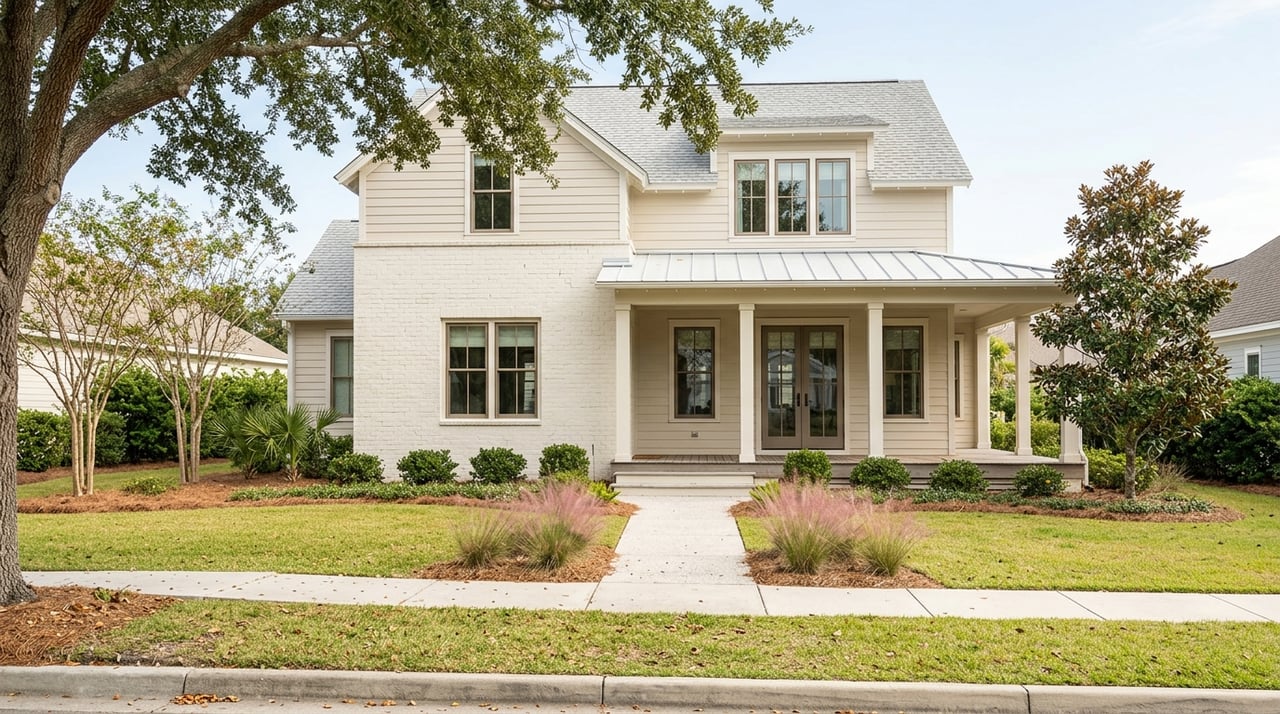
If you work in Charleston but want more breathing room at home, Summerville probably shows up on your shortlist fast. It offers a different pace, more suburban housing options, and a historic downtown that feels distinct from the urban core. The real question is whether that tradeoff makes sense for your routine, budget, and lifestyle. Let’s dive in.
Why commuters consider Summerville
Summerville has become a major commuter base for the Charleston area, not a small outlying town. The U.S. Census estimates the town had 52,625 residents in 2024, up from 50,915 in 2020, and the town spans parts of Dorchester, Charleston, and Berkeley counties. It is also located about 20 miles from Charleston, which helps explain why so many buyers look there when they want more space without leaving the region entirely.
For many households, the appeal is simple. You may be able to find a wider mix of homes, more yard space, and neighborhoods built around parks and amenities. If your work is in Charleston, North Charleston, or along the I-26 corridor, Summerville can offer a practical middle ground between access and lifestyle.
What the commute actually looks like
The biggest factor is time. According to the U.S. Census QuickFacts for Summerville, the town’s mean one-way commute is 31.2 minutes. That compares with 23.8 minutes in Charleston, 24.5 minutes in North Charleston, and 24.9 minutes in Mount Pleasant.
That does not mean every commute will feel the same. Your exact drive will depend heavily on where you live in Summerville, where you work, and what time you leave. In practice, buyers are often deciding whether a longer average drive is worth having more home and neighborhood amenities.
Main commuter corridors
The regional road network is fairly concentrated, which matters if you commute daily. According to SCDOT corridor analysis, trips between the Summerville, Moncks Corner, and Goose Creek area and North Charleston are split mostly across:
- I-26, which carries 69% of traffic
- Rivers Avenue/US 52, which carries 15%
- Dorchester Road/SC 642, which carries 16%
Because traffic funnels into a few main routes, location choices inside Summerville matter more than many buyers expect. A home near I-26 or 17A may feel very different from one deeper in a historic area or farther inside a larger planned community.
Transit and commute alternatives
Driving is still the main reality for most commuters, but there are some regional support tools. Lowcountry Go offers carpool, vanpool, transit, bike and walk planning, plus emergency ride-home support. The proposed Lowcountry Rapid Transit corridor is also part of regional planning, though it is still a future project rather than an existing high-frequency option.
What daily life in Summerville feels like
A commute is only one part of the equation. If you are considering Summerville, you are also deciding what you want the rest of your week to look like when you are not in the car or at work.
Summerville stands out because it offers both a preserved downtown setting and a broader suburban footprint. That gives you more than one version of suburban living, which is useful if you want character rather than a one-size-fits-all neighborhood experience.
Downtown Summerville offers character
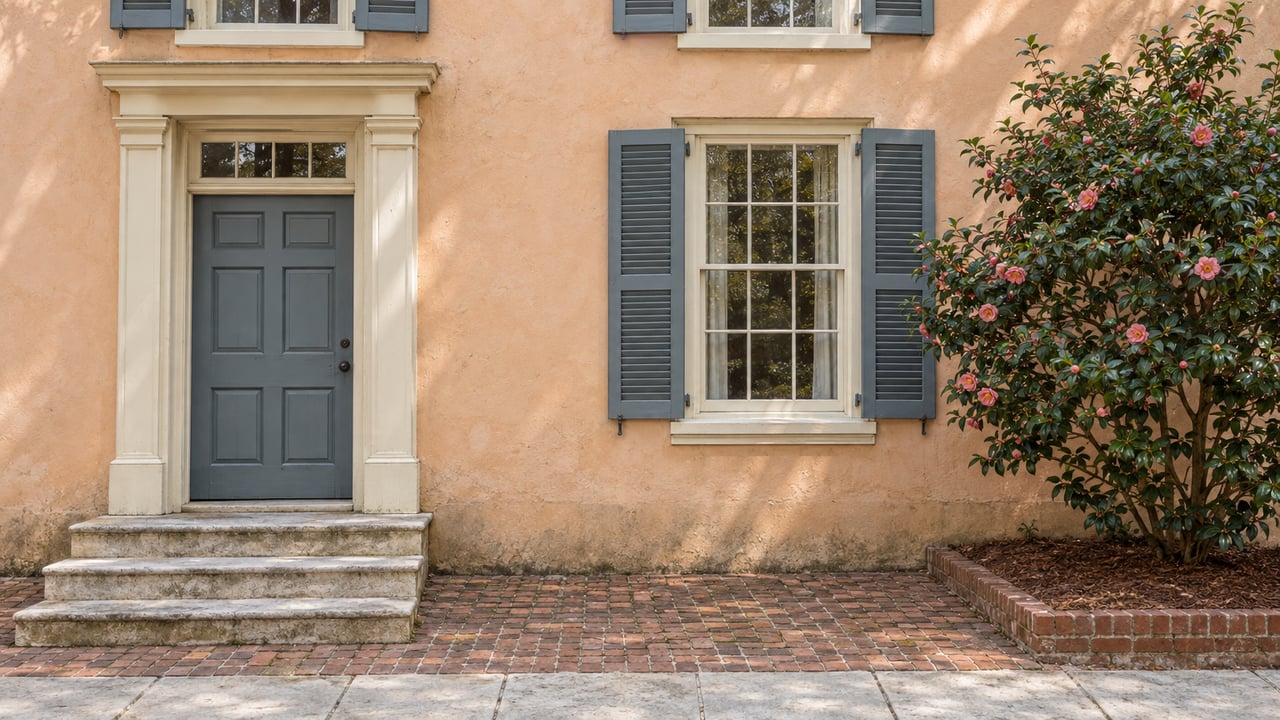
For many buyers, downtown is one of Summerville’s biggest strengths. The town’s Historic District Board of Architectural Review oversees new construction, exterior alterations, and demolition in the Downtown Historic District, which helps preserve the area’s architectural identity. Hutchinson Square also serves as the town’s central event venue and reinforces downtown as a civic and social hub.
Summerville’s history ties closely to railroad-era planning, long-running festivals, and an early focus on trees and preservation. That history still shapes the feel of the area today. If you like older streetscapes, recognizable town identity, and a stronger sense of place, downtown Summerville may feel more appealing than a newer suburban setting.
What that means for buyers
Historic areas often come with tradeoffs. You may gain charm, walkable access to events, and more architectural character, but you may also encounter design oversight that does not exist in newer areas. If that balance appeals to you, the historic core can offer a lifestyle that feels notably different from newer development on the town’s edges.
Parks and green space add appeal
If your ideal home search includes trails, open space, and outdoor recreation close to home, Summerville has a strong case. The town’s parks system includes Azalea Park, Gahagan Park, Oakbrook Nature Trail, the Ashley River Preserve, and Sawmill Branch Trail.
Several of those amenities stand out for everyday use. Sawmill Branch Trail is a paved walking and biking path that stretches just under seven miles. Azalea Park includes walking trails, tennis courts, a children’s discovery garden, and a playground, while Oakbrook Nature Trail uses boardwalks across wetlands in a 12-acre conservation area.
Summerville also emphasizes its natural setting in a broader way. The town says it is South Carolina’s first Climate-Resilient and Bird-Friendly Municipality, and its planning materials highlight native plants, habitat restoration, water quality, and nature-based recreation. The same materials note a 51% tree canopy, which helps explain why many established parts of town feel shaded and mature.
Older areas versus planned communities
One of the most important choices in Summerville is not just whether to move there. It is also which type of neighborhood experience fits you best.
Older in-town areas usually offer more character and closer access to downtown events and civic spaces. Newer planned communities tend to focus more on packaged amenities, organized layouts, and a more uniform neighborhood feel. Neither is automatically better. It depends on how you want to live day to day.
In-town and historic settings
If you want proximity to downtown Summerville and appreciate a more established setting, older neighborhoods may be the right fit. These areas often appeal to buyers who value individuality and local identity more than standardized amenities. They can also be appealing if you want a home base that feels connected to the town’s history and event calendar.
Newer planned communities nearby
If you prefer newer homes and built-in amenities, the broader Summerville area gives you several options. Nexton highlights neighborhoods, parks, shops, eateries, employers, services, and trail access near I-26 and 17A. The research also notes that nearby communities such as Cane Bay and Carnes Crossroads emphasize trails, recreation, shopping, and other planned amenities.
For some commuters, that setup makes daily life easier. If you work from home part of the week or spend most evenings and weekends near home, having amenities integrated into the neighborhood can offset a longer commute.
Who Summerville fits best
Summerville is often a strong fit if you want:
- More room at home
- A broader mix of housing options
- Access to parks and trails
- Neighborhood amenities
- A suburban environment with local identity
- A location that works for hybrid schedules or corridor-based commuting
It can be especially practical if your job is in North Charleston or along the I-26 corridor rather than deep in downtown Charleston. The average commute still matters, but the location may feel more manageable if your work destination is already outside the peninsula.
When Summerville may not be ideal
Summerville may be a weaker fit if your top priority is the shortest possible daily drive into downtown Charleston. It may also be less appealing if you want dense urban walkability and do not want to rely on a car regularly.
That does not mean it is off the table. It just means you should go in with a clear understanding of what you are trading for more space and a different lifestyle. In this market, exact address matters. Even within Summerville, commute convenience can shift meaningfully based on access to I-26, 17A, or the historic core.
How to decide if it is right for you
Before you rule Summerville in or out, it helps to look at your week honestly. Think beyond the headline distance and consider how you actually live.
Ask yourself:
- How many days a week will you commute?
- Is your workplace in downtown Charleston, North Charleston, or elsewhere on the corridor?
- Do you want a historic setting or a newer planned neighborhood?
- How important are trails, parks, and community amenities?
- Would you rather spend more time driving if it means having more home and outdoor space?
If your answers lean toward space, neighborhood living, and flexibility, Summerville could be a very smart fit. If your answers lean toward minimum drive time and an urban daily routine, you may want to compare it carefully with closer-in options.
When you are weighing Charleston-area lifestyle tradeoffs, local guidance makes a difference. The Tipple Team offers personalized, high-touch support to help you compare communities, refine your priorities, and choose a home that truly fits the way you live.
FAQs
Is Summerville a good choice for Charleston commuters?
- Summerville can be a strong choice if you want more space, a suburban setting, and neighborhood amenities, and you are comfortable with an average one-way commute of about 31.2 minutes.
How far is Summerville from Charleston?
- Summerville is about 20 miles from Charleston, according to town and census-based source material.
What is the average commute from Summerville?
- The U.S. Census reports a mean one-way commute time of 31.2 minutes for Summerville.
What roads do most Summerville commuters use?
- Most regional commuter traffic between the Summerville area and North Charleston uses I-26, with additional traffic using Rivers Avenue/US 52 and Dorchester Road/SC 642.
Does Summerville have parks and trails?
- Yes. Summerville’s parks system includes places like Azalea Park, Gahagan Park, Oakbrook Nature Trail, Ashley River Preserve, and Sawmill Branch Trail.
Is downtown Summerville different from newer neighborhoods?
- Yes. Downtown Summerville offers a more historic and character-driven setting, while newer communities in the area tend to emphasize planned amenities, trails, shops, and a more uniform neighborhood experience.