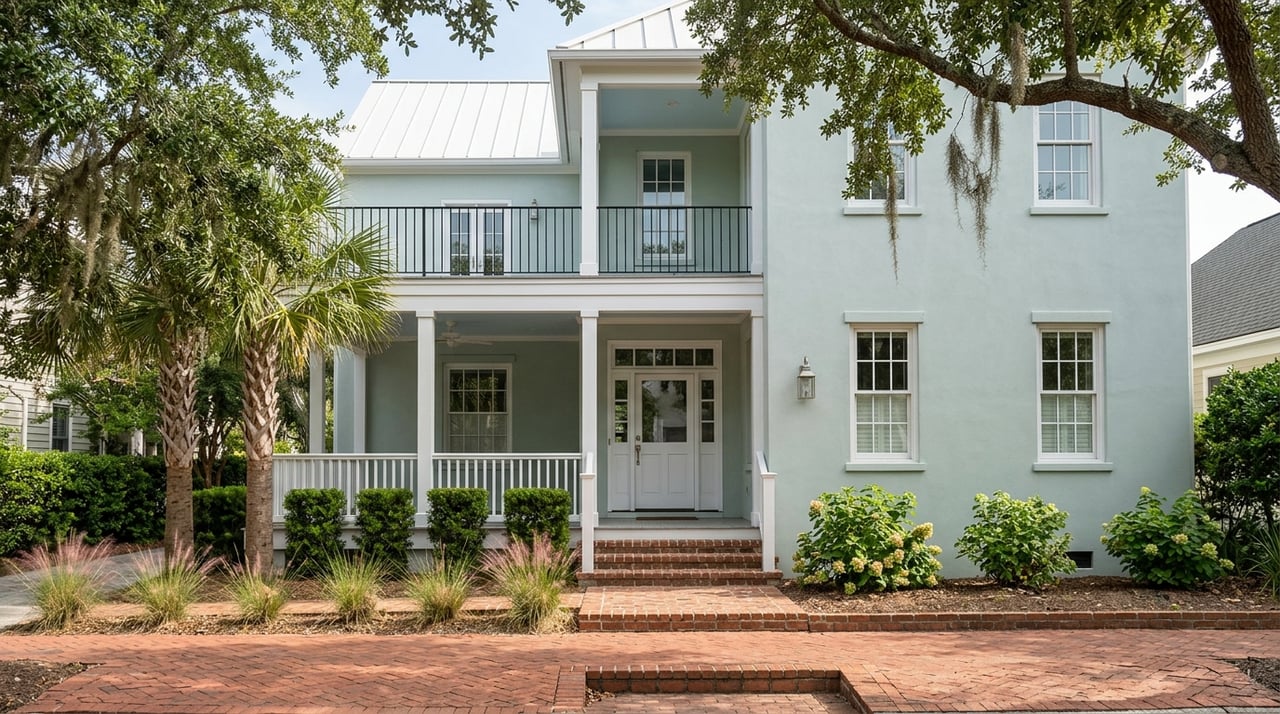
Wondering which Mount Pleasant neighborhood fits the way you actually want to live? That question matters here more than in many other markets, because Mount Pleasant is large enough to feel like several different towns in one. If you are planning your next move, understanding how commute patterns, housing styles, amenities, and water access vary across the area can help you narrow your options with confidence. Let’s dive in.
Why Mount Pleasant Feels So Different
Mount Pleasant is not a one-note market. According to the latest U.S. Census QuickFacts for Mount Pleasant, the town has about 95,604 residents across 49.53 square miles, with a median owner-occupied home value of $748,500 and a median gross rent of $2,159.
That scale creates distinct lifestyle pockets. The town’s comprehensive plan update describes a mix of conventional residential neighborhoods, traditional residential neighborhoods, settlement communities, mixed neighborhoods, and waterfront areas, which helps explain why two homes with the same Mount Pleasant address can offer very different day-to-day experiences.
One practical factor stands out right away: commuting. The town reports that about 42% of daily traffic to and from Mount Pleasant crosses the Ravenel Bridge, so your neighborhood choice can directly shape how easy it feels to get to downtown Charleston and back.
Start With Your Daily Priorities
Before you compare neighborhoods, think about how you want a normal Tuesday to feel. Do you want quicker bridge access, a stronger connection to the water, newer construction, organized amenities, or easier beach runs?
In Mount Pleasant, the best neighborhood is usually not the one with the most buzz. It is the one that best supports your routine, your housing preferences, and the type of setting you want to come home to.
In-Town Areas Offer Character
If you are drawn to established neighborhoods with history, water proximity, and a more layered feel, in-town Mount Pleasant may be the right place to focus. These areas often appeal to buyers who value charm and location over newer-home uniformity.
Old Village Highlights
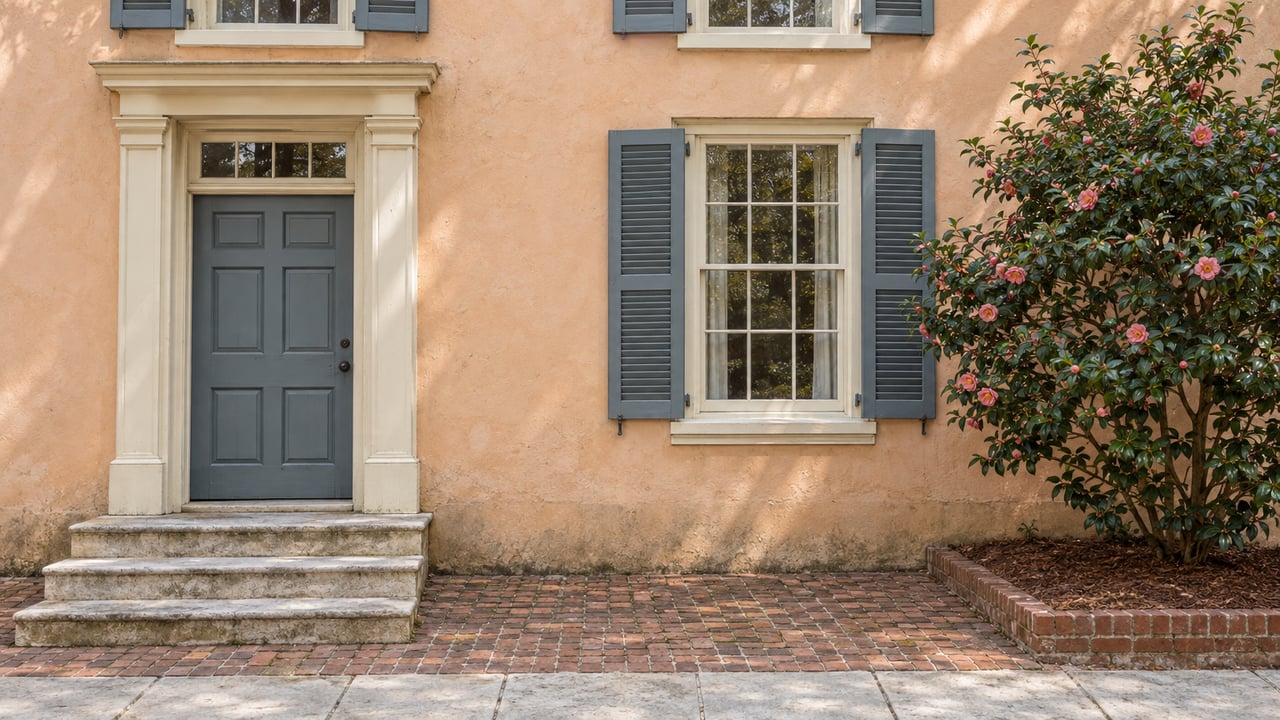
Old Village is one of the clearest examples of Mount Pleasant’s older in-town appeal. The town’s Old Village Historic District guidelines describe it as a quiet residential area with varied historic architecture, a mix of house sizes, and harbor views.
For many buyers, that setting is a major draw. You may appreciate the established streetscape, proximity to Charleston Harbor, and the kind of neighborhood character that is difficult to recreate in newer developments.
The tradeoffs matter too. The same town guidelines note that much of Old Village is in flood zones, and exterior changes are subject to design review. That means buyers should be prepared for added planning around updates, maintenance, and property-specific due diligence.
Scanlonville Perspective
Scanlonville is another important in-town area with a distinct identity. The town describes Scanlonville as a marsh-front community established after the Civil War, with deep roots in African-American land ownership and local history.
From a home search perspective, this area shows how Mount Pleasant’s older neighborhoods can combine a more intimate residential scale with meaningful water adjacency. If you want a neighborhood that feels established and connected to local history, this part of town may be worth a closer look.
In-Town Tradeoffs
Established neighborhoods often come with a clear give-and-take. You may gain more character, more architectural variety, and in some cases a shorter hop toward downtown, but you may also need to think more carefully about flood-zone considerations, older-home upkeep, lot size, and exterior review requirements.
For many buyers, that tradeoff is worth it. The key is knowing whether you want a home that feels historic and location-driven, or one that feels newer and more predictable.
Master-Planned Areas Prioritize Amenities
If your ideal neighborhood includes newer homes, organized amenities, and a more structured community layout, Mount Pleasant’s master-planned areas may be the better fit. These neighborhoods tend to attract buyers who want convenience, shared amenities, and a more suburban rhythm.
Carolina Park at a Glance
Carolina Park is described by its developer as a 1,700-acre master-planned community with recreation, shopping, education, and a mix of public and private spaces. Housing options range from traditional neighborhood settings to custom and luxury homes.
That kind of scale can appeal if you want a neighborhood designed with an overall plan in mind. You may find it easier to prioritize newer construction, broader amenity access, and a more cohesive community layout.
Park West and Dunes West
The same general appeal shows up in other large-scale communities mentioned in the research. Park West presents itself as a planned community with a range of architectural styles and price points, plus pools, walking and bike trails, a clubhouse, and a crab or fishing dock.
Dunes West is described as a 2,500-acre master-planned community with trails, lakes, green space, docks on the Wando River, and a more gated or private setting. For buyers who value organized amenities and a clear neighborhood structure, that can be a strong selling point.
What Buyers Trade for Newer Living
The biggest advantage in these areas is predictability. You are often looking at newer homes, a more defined amenity package, and community standards that create a consistent feel.
The tradeoff is that these neighborhoods can feel more suburban and may require more driving for downtown Charleston or harbor-oriented errands. If your lifestyle centers on space, amenities, and newer housing stock, that may be an easy trade to make.
East Mount Pleasant Fits Beach Access
If beach access is high on your list, eastern Mount Pleasant deserves special attention. This part of town is especially relevant for buyers who want everyday convenience tied to the barrier islands.
The Beach Company notes that The Shoppes at Seaside Farms are only minutes from Charleston, Isle of Palms, and Sullivan’s Island. That general corridor can be appealing if you want retail convenience and easier access toward the coast.
There is also seasonal transit support for beach trips. CARTA’s Beach Reach shuttle runs from Towne Centre to Isle of Palms on weekends and holiday service days, with connections to Route 40 Mt. Pleasant and Route 42 Wando Circulator.
Seasonal Traffic Is Part of It
The convenience of living closer to the beach often comes with a tradeoff: traffic patterns can shift with the season. CARTA notes that heavy traffic volumes may affect Beach Reach schedules, which is a useful reminder that this side of town is often more sensitive to summer congestion.
That does not make eastern Mount Pleasant better or worse. It simply makes it a lifestyle choice. If quick beach access matters more to you than minimizing seasonal traffic swings, this area may feel like a natural fit.
Commute and Access Matter Most
No matter which neighborhood style you prefer, your move will likely feel better if you think through access early. In Mount Pleasant, commute time is not just about mileage. It is about bridge patterns, corridor traffic, and how often you plan to leave your immediate area.
Because such a large share of local traffic crosses the Ravenel Bridge, buyers who expect frequent trips into downtown Charleston often benefit from paying close attention to location. A neighborhood that looks similar on paper can feel very different once your weekly routine begins.
Water Access Shapes Lifestyle
Water is one of Mount Pleasant’s defining lifestyle features, but it shows up differently from one area to the next. In some neighborhoods, that means harbor views or marsh edges. In others, it means public parks, docks, or easier access to recreation.
The town’s Memorial Waterfront Park improvements added features including a pier extension, floating docks, splash pad, dog park, walking track, and parking improvements. The town also reports more than 2,300 acres of public parkland, which helps explain why access to trails, marsh views, docks, and open space can play such a big role in how a neighborhood feels.
Alternatives to Driving Exist
Mount Pleasant is still largely car-oriented, but there are some growing alternatives for shorter trips. The town’s Mount Pleasant Way master plan is designed to connect parks, neighborhoods, schools, recreation facilities, and commercial areas for both commuting and recreation.
The research also notes the completion of the Shem Creek Bike Lanes project, which added more than 1.5 miles of continuous bike lanes on Coleman Boulevard, and CARTA operates Routes 40, 41, and 42 in Mount Pleasant. For most buyers, the practical takeaway is simple: biking and transit can be helpful supplements, but driving still plays the lead role in most neighborhoods.
How to Narrow Your Search
If you are deciding where to focus, start by matching neighborhoods to your top priorities rather than trying to rank the whole town.
- Choose an in-town area like Old Village or Scanlonville if you value historic character, water proximity, and a more established residential feel.
- Choose a master-planned community like Carolina Park, Park West, or Dunes West if you want newer construction, larger-scale amenities, and a more structured neighborhood environment.
- Choose eastern Mount Pleasant near Seaside Farms, Towne Centre, or the Isle of Palms Connector if beach access and retail convenience are central to your lifestyle.
The right answer depends on how you want to live, not just what you want to buy. A smart neighborhood choice can improve your routine as much as the home itself.
When you are ready to compare Mount Pleasant neighborhoods in a more personal way, The Tipple Team can help you evaluate lifestyle fit, housing options, and the tradeoffs that matter most for your next move.
FAQs
What makes Mount Pleasant neighborhoods feel so different from each other?
- Mount Pleasant covers a large area with distinct neighborhood types, and differences in commute patterns, housing age, amenities, and water access can create very different living experiences from one area to another.
Is Old Village a good fit for buyers who want historic character in Mount Pleasant?
- Old Village may appeal to buyers who value historic architecture, harbor proximity, and an established setting, but it can also involve flood-zone considerations and design-review requirements for exterior changes.
Are Carolina Park, Park West, and Dunes West newer Mount Pleasant options?
- Yes, these communities are presented in the research as master-planned neighborhoods known for newer homes, organized amenities, and more structured community layouts.
Which part of Mount Pleasant works best for beach access?
- Eastern Mount Pleasant is often the most relevant area for buyers who want easier access to Isle of Palms and Sullivan’s Island, along with retail convenience.
How important is commute planning when choosing a Mount Pleasant neighborhood?
- Commute planning is very important because a significant share of daily traffic crosses the Ravenel Bridge, so neighborhood location can have a major impact on your routine.
Can you rely on biking or public transit in Mount Pleasant?
- Biking and transit can help with some short trips, but in most neighborhoods they work best as supplements to driving rather than full replacements.