If you are selling on Sullivan’s Island, you are not just listing a house. You are positioning a rare piece of Charleston’s coastal luxury market. In a place with limited inventory, high price points, and longer timelines to find the right buyer, your strategy matters. This guide will show you how to frame your home’s value, prepare for buyer questions, and market the lifestyle that makes Sullivan’s Island stand apart. Let’s dive in.
Why Sullivan’s Island commands attention
Sullivan’s Island is a small, high-value, low-turnover market. According to Realtor.com’s Sullivan’s Island market overview, there were 33 homes for sale, with a median listing price of $4,999,000 and a median 97 days on market. That same overview reported a median price per square foot of $1,650.
Closed-sale data points in a similar direction, even if the numbers are different. Redfin’s housing market snapshot showed a February 2026 median sale price of $9.3 million, 107 days on market, and only 2 homes sold. Because listing data and closed-sale data measure different things, the exact number is less important than the pattern: Sullivan’s Island is a premium market with very little inventory and a narrow buyer pool.
That has a direct impact on sellers. In this kind of market, pricing alone does not do the work. Your home needs a clear story, careful presentation, and a value narrative that matches what luxury buyers are actually seeking.
Positioning luxury beyond square footage
On Sullivan’s Island, value often comes from more than bedroom count or interior finishes. Buyers are also evaluating location, lot setting, coastal access, views, architectural character, and how well a property fits the island’s identity. That is especially true in a market where inventory is limited and each listing can feel highly distinct.
This means your marketing should answer a bigger question: Why this home, on this island, at this price? The strongest listings make that case through visuals, details, and context rather than generic luxury language.
Architectural character matters
Sullivan’s Island has a strong preservation focus, and that shapes how buyers view homes. The town says it is home to four National Register districts and three local historic districts. That makes architectural style and exterior character more than aesthetic details. They are part of the property’s market identity.
The town’s Design Review Board guidelines emphasize compatibility with the natural environment and place special importance on street-facing features such as porches, windows, and doors. The board was created to enhance community character, preserve property values, and protect the island’s identity.
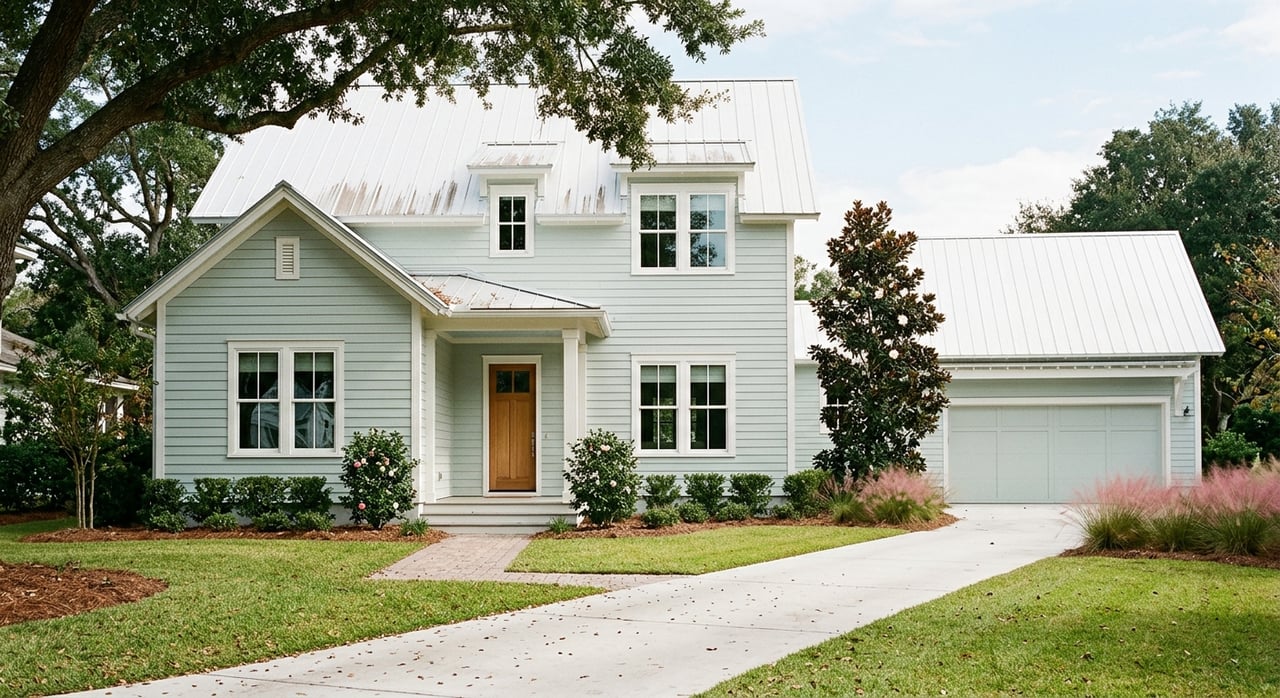
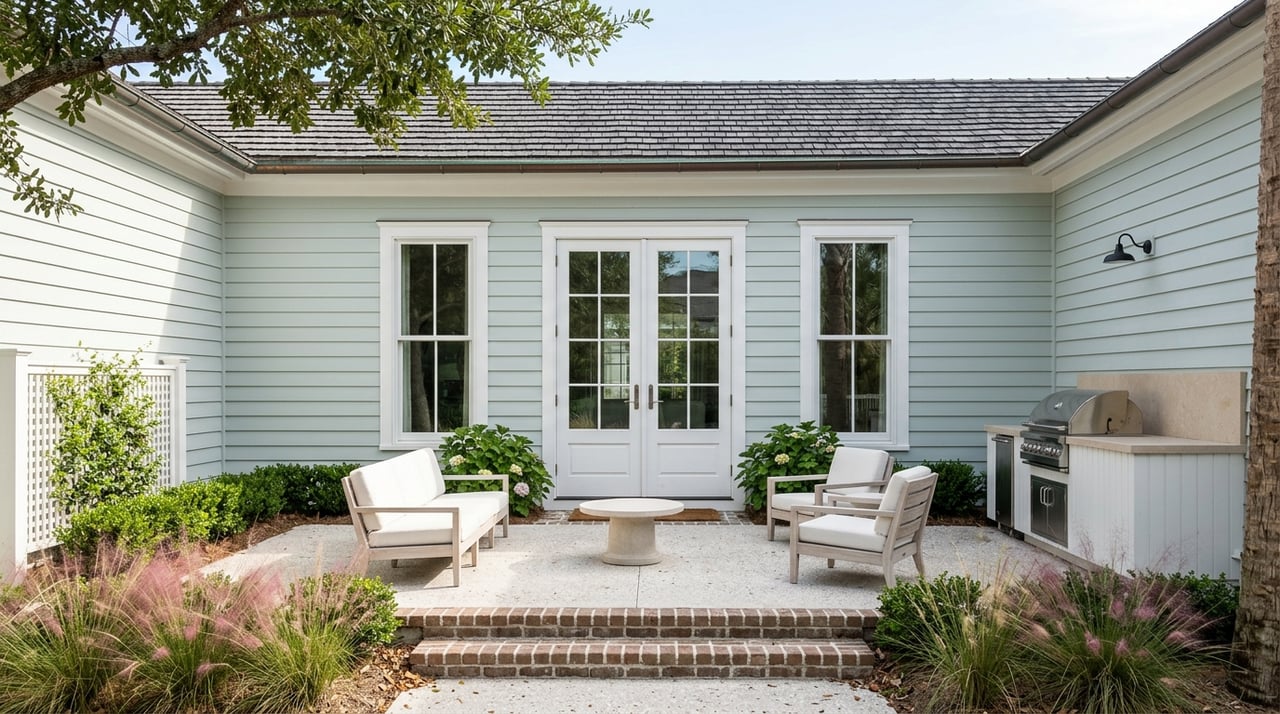
For sellers, that means curb appeal carries real weight. A well-kept façade, thoughtful landscaping, and polished outdoor living spaces can strengthen your market position, especially for cottages and older coastal homes where charm is part of the appeal.
Historic rules can shape buyer decisions
If your property is historic or sits within a historic overlay district, buyers may want clarity on what can and cannot be changed. The town states that changes to a historic property require a Certificate of Appropriateness, and exterior changes in historic overlay districts are reviewed through the design-review process.
That does not have to be a drawback. In many cases, it supports long-term value by preserving the island’s character. Still, it helps to be prepared with documentation for past approvals, renovations, or exterior improvements so buyers can understand the home’s history and the care that has gone into it.
The island’s 2023 historic resources survey covered up to 300 houses and structures across nearly 3.5 square miles. That level of documentation reinforces how closely architectural attributes are tied to the island’s identity.
What to highlight in photos and staging
Luxury buyers often form their first impression online, so your photo strategy needs to reflect how Sullivan’s Island homes are actually valued. In many cases, the exterior story matters just as much as the interior one.
Focus your preparation and visual marketing on features like:
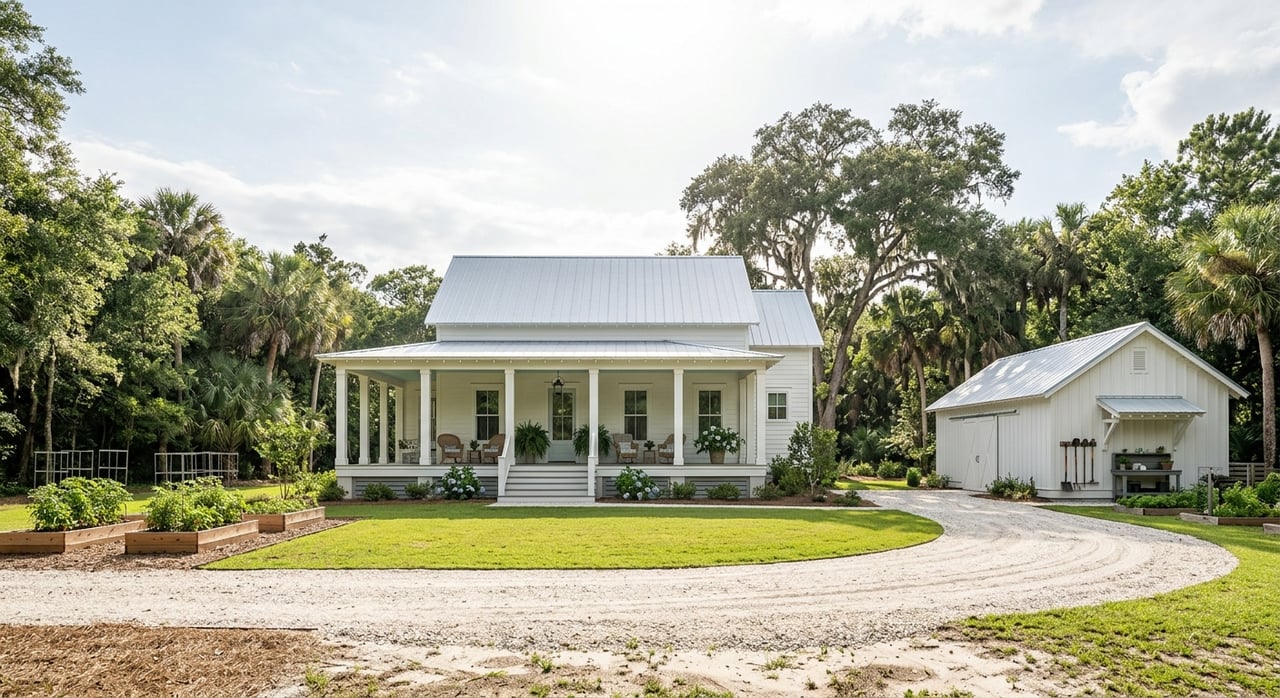
- Porches and entry details that show architectural character
- Street-facing curb appeal including siding, trim, doors, and windows
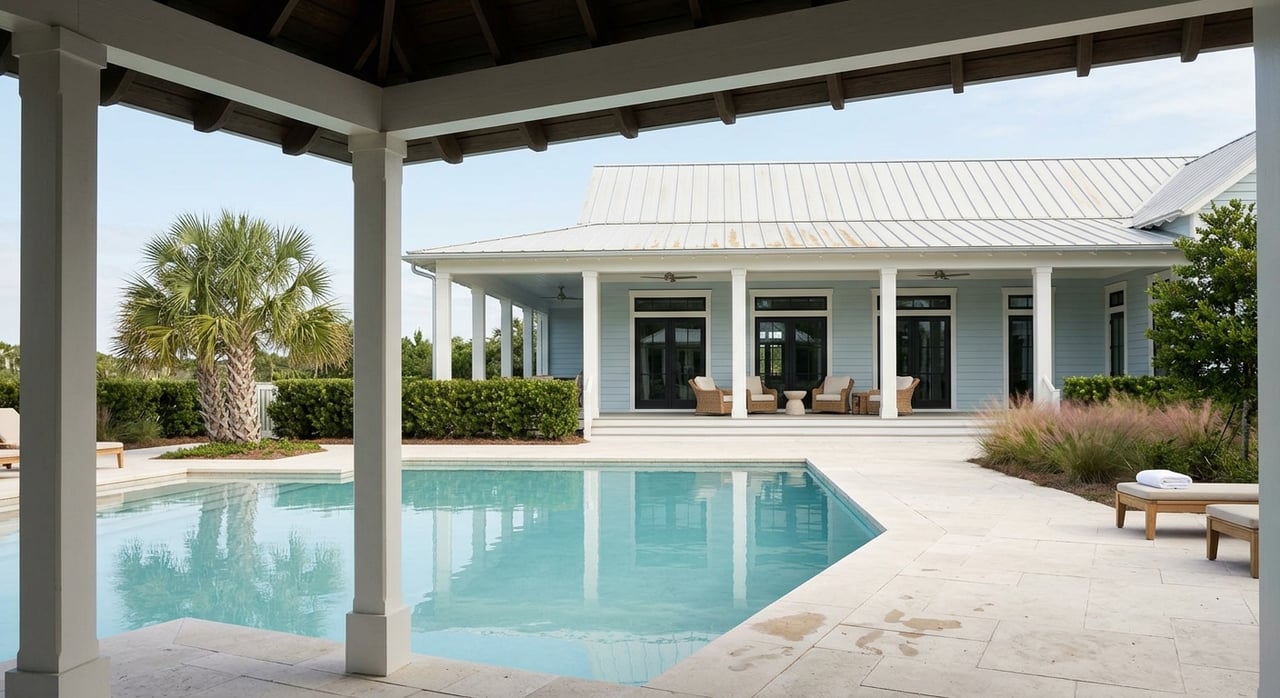
- Outdoor living spaces such as decks, patios, pools, and landscaped areas
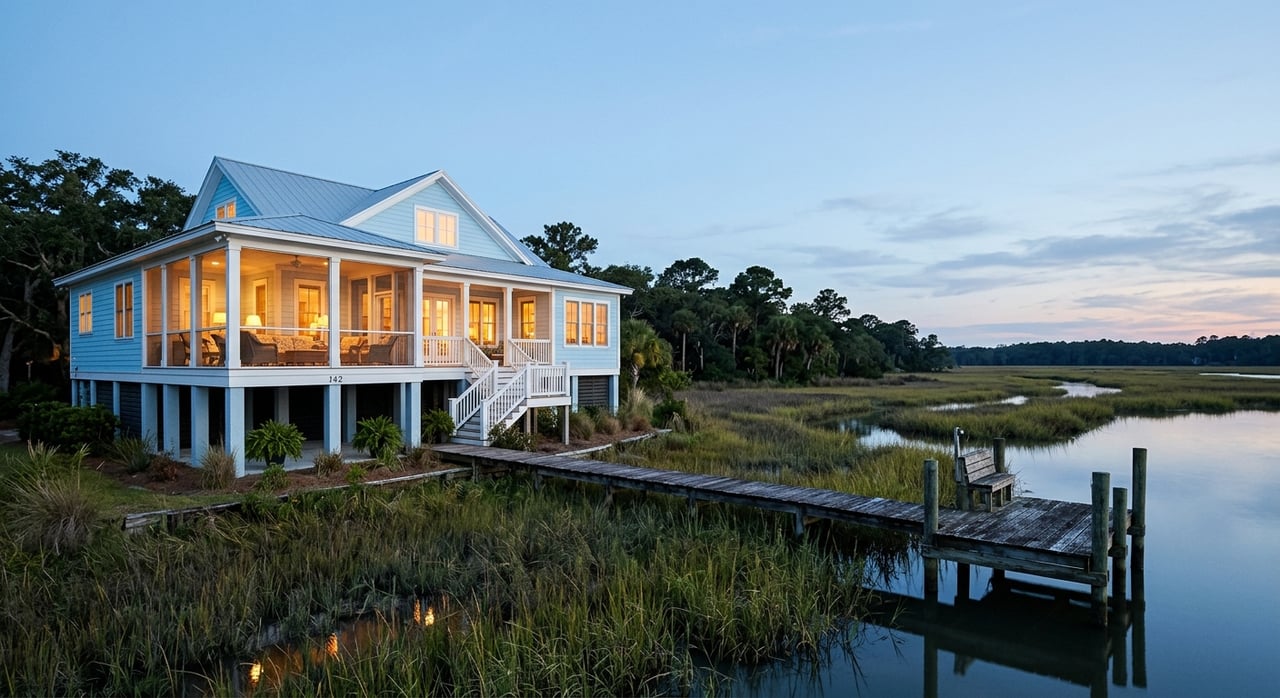
- Lot setting and privacy including marsh adjacency, beach proximity, or elevated views where applicable
- Natural light and flow that support a relaxed coastal-luxury feel
Interior updates still matter, but they should not crowd out the property’s island-specific strengths. On Sullivan’s Island, buyers are often buying a setting and a lifestyle as much as a floor plan.
Sell the Sullivan’s Island lifestyle
A premium listing needs more than beautiful rooms. It should also tell the truth about what daily life on the island offers. Fortunately, Sullivan’s Island has a strong lifestyle story backed by public facts.
The town says it has 3.5 miles of Atlantic Ocean beachfront and numerous public beach access paths. It also notes that the island is one of three local beaches serving more than 220,000 Lowcountry visitors. For sellers, that supports a simple point: beach access is not a side benefit here. It is central to the island experience.
Walkability is another part of the appeal. The Sullivan’s Island Nature Trail includes 2 miles of paths connecting Station 16 beach to Fort Moultrie and the Charleston Light. That gives you a grounded way to talk about movement, recreation, and connection to the island’s landscape.
The town also highlights dining as part of everyday life. Its visitor materials point to award-winning restaurants in the commercial district, and the Comprehensive Plan identifies Middle Street between Stations 20 and 22½ as the island’s business core, with restaurants, small retail, real estate, and service businesses. That matters because it helps support a lifestyle narrative that feels lived-in rather than purely seasonal.
History adds depth to the story
Sullivan’s Island also offers a sense of place that is hard to replicate. The town connects the island to both the Revolutionary War and Civil War, and notes that Fort Sumter, Fort Moultrie, and the Charleston Light are all on the island. The Charleston Light, first lit in 1962, is described by the town as having a triangular shape designed to withstand hurricane-force winds.
For sellers, this kind of history can add depth and distinction to marketing language. It helps frame the island as more than a beach destination. It is also a place with a layered identity, preserved character, and landmarks that contribute to its long-term appeal.
Be ready for flood and resilience questions
In any barrier-island market, high-end buyers will ask practical questions. On Sullivan’s Island, those questions often center on flooding, insurance, drainage, storm readiness, and how the property has been maintained over time.
The town describes Sullivan’s Island as a low-lying barrier island where heavy rainfall, extreme high tides, sea level rise, a high water table, and coastal storms can create flooding conditions. Its Sea Level Rise & Resilience Plan focuses on mitigation strategies tied to sea level rise, storms, drainage, water and sewer systems, and renourishment projects.
This does not mean your listing should lead with risk. It does mean you should be prepared with facts. Buyers tend to feel more confident when sellers can clearly address known conditions and explain any relevant improvements or protections.
Documentation can reduce buyer hesitation
A polished luxury listing on Sullivan’s Island should be paired with organized due diligence materials whenever possible. The town’s Building Department states that Sullivan’s Island participates in the National Flood Insurance Program and that all mortgaged homes are required to purchase flood insurance through that program. The department also says agents assisting a buyer or seller are strongly advised to contact the Building Official before purchase.
That makes preparation especially important. If you can provide records related to drainage work, elevation details, flood insurance readiness, storm-related upgrades, permit history, or historic approvals, you may help reduce uncertainty for serious buyers. In a market with high price points and longer timelines, strong documentation can support trust.
Helpful seller materials may include:
- Past permits or approvals for exterior work
- Certificate of Appropriateness records, if applicable
- Drainage or stormwater improvement documentation
- Elevation or flood zone information already on file
- Roof, window, or structural upgrade records
- Flood insurance information available for buyer review
Pricing needs strategy, not guesswork
Because Sullivan’s Island has so few sales, pricing can be tricky. A market with only a handful of listings and very limited closed sales does not always provide a large sample of easy comparisons. That is why sellers benefit from a pricing approach that looks at current competition, property uniqueness, buyer expectations, and the likely pace of demand.
Overpricing can be costly in a market where the right buyer may take time to emerge. Underpricing can leave value behind, especially when your property has features that are difficult to duplicate. The goal is to position your home credibly within a thin luxury market and support that position with presentation, exposure, and local context.
Why boutique representation matters here
Selling coastal luxury on Sullivan’s Island calls for more than listing placement. It takes thoughtful preparation, polished visual marketing, and a clear understanding of how buyers read value in a market shaped by scarcity, architecture, and island conditions.
That is where a boutique, hands-on approach can make a real difference. From staging guidance and professional imagery to pricing strategy and buyer communication, every step should reinforce the same message: your property is rare, well-positioned, and ready for the market.
If you are thinking about selling on Sullivan’s Island, The Tipple Team offers concierge-level guidance, strategic marketing, and local coastal expertise to help you position your home with confidence.
FAQs
What makes Sullivan’s Island homes command a premium?
- Sullivan’s Island homes often command a premium because the market is small, inventory is limited, prices are high, and buyers value a mix of location, architectural character, coastal setting, and lifestyle access.
Which Sullivan’s Island home features matter most in listing photos?
- On Sullivan’s Island, listing photos should strongly feature porches, façade details, outdoor living areas, lot setting, and any views or natural-light features that support the home’s coastal-luxury story.
How do historic-district rules affect selling a home on Sullivan’s Island?
- Historic-district rules can affect a Sullivan’s Island sale because exterior changes may require design review, and historic properties may need a Certificate of Appropriateness for changes, so buyers often want documentation and clarity.
How should sellers address flood insurance for a Sullivan’s Island listing?
- Sellers should address flood insurance with clear, factual information, including available documentation about coverage, flood readiness, drainage work, and any property improvements that may help buyers during due diligence.
What local lifestyle details help market a Sullivan’s Island property?
- Useful lifestyle details include the island’s 3.5 miles of beachfront, public beach access paths, the Sullivan’s Island Nature Trail, Middle Street dining and services, and local historic landmarks such as Fort Moultrie and the Charleston Light.