Buying on Folly Beach can feel like a dream until you realize island ownership comes with a different set of questions than buying inland. You may be thinking about beach access, rental options, flood insurance, parking, or how one end of the island lives differently from another. The good news is that with the right local guidance and a clear checklist, you can make a smart, confident decision. Let’s dive in.
Understand Folly Beach’s layout
One of the first things to know before buying on Folly Beach is that the island is easiest to think about in three practical zones: the west end, the Center Street core, and the east end. This is not an official neighborhood map, but it is a useful way to understand how daily life and buyer priorities can vary across the island.
West end lifestyle
The west end sits near Folly Beach County Park and the Folly River. The county park offers seasonal lifeguards, rentals, restrooms, and 225 parking spots. That convenience matters, especially since the lot often fills by 10:30 a.m. on weekends and holidays.
If you are looking in this area, think beyond the house itself. Ask how close the property is to the county park, beach walkovers, and river-side access points because those details can shape your everyday use and guest experience.
Center Street convenience
The Center Street area functions as Folly Beach’s civic and commercial hub. City Hall, the Community Center and Library, Folly River Park, the fishing pier, and nearby businesses are clustered here.
For many buyers, this part of Folly offers the most convenient day-to-day access to local services and activity. If you want to be near the pier or the island’s main gathering areas, this section may deserve a closer look.
East end access and surf appeal
On the east end, beach access patterns matter even more, especially if surfing is part of your lifestyle. The city identifies The Washout at 1563 East Ashley as an ADA beach access with parking, restrooms, changing stations, and beach access.
The city also restricts summer surfing in the central swimming zone, which makes east-end access especially relevant for surf-minded buyers. If you are comparing homes in this area, proximity to access points can be a major value factor.
Compare home types carefully
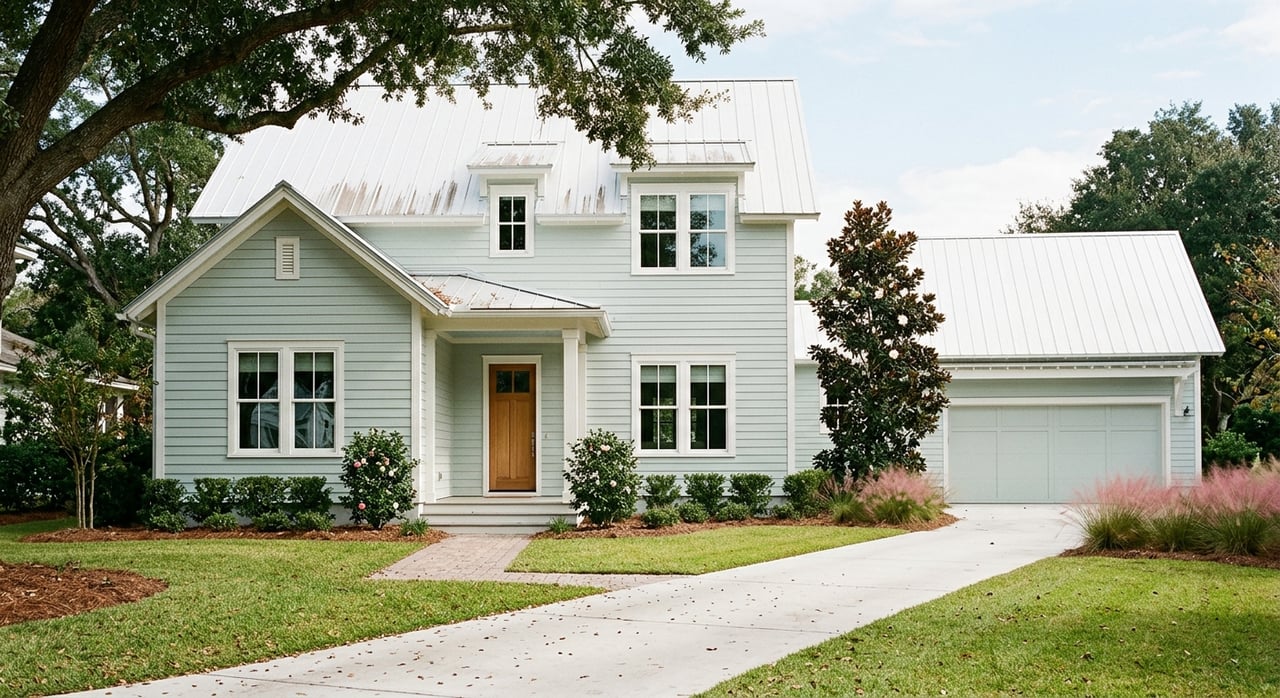
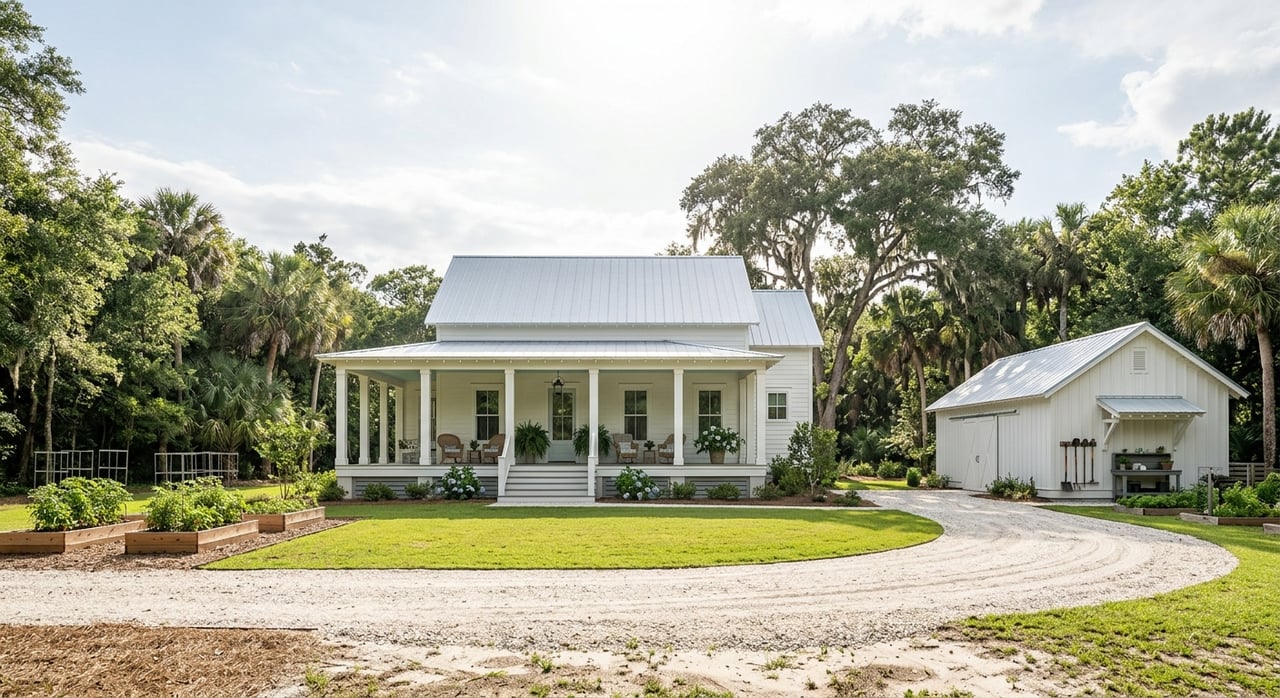
Folly Beach offers a mix of property types, including single-family homes, condos, and townhomes. That means your search may involve comparing detached homes with attached properties or homes that are part of an owners association.
This matters because the right fit depends on how you plan to use the property. A condo or townhome may offer a different ownership experience than a standalone beach house, especially when you factor in maintenance, shared elements, and possible association rules.
Check zoning by parcel
It is important not to make broad assumptions about what is allowed island-wide. The city’s planning and zoning resources reference different residential dimensional standards, including single-family and two-family residential standards, and the zoning map is the official parcel-classification source.
In practical terms, zoning should be checked property by property. If you are serious about a home, one of your first due diligence steps should be confirming that the parcel aligns with your intended use.
Verify rental-use rules early
If rental income is part of your buying strategy, do your homework before you get too far into the process. Folly Beach has specific short-term rental regulations, and the city maintains a list of registered short-term rentals.
The city also requires a Folly Beach business license for any business activity within city limits, with annual renewal required prior to May 1. That means you should verify both registration status and licensing requirements before you assume a property fits your rental plans.
Questions to ask about rentals
Before making an offer, consider asking:
- Is the property currently on the city’s registered short-term rental list?
- Does the property’s zoning support your intended use?
- Is any required business licensing current?
- Are there attached-property or association rules that may affect rentals?
These checks can help you avoid surprises and make sure the property supports your goals from day one.
Learn the parking and beach rules
Life on Folly Beach is enjoyable, but it is also highly regulated in ways that buyers should understand upfront. The city’s beach and parking rules prohibit parking on the roadway, against traffic, in crosswalks, within 20 feet of intersections, within 30 feet of stop signs or signals, on sidewalks, in driveways, and on dunes or revetments.
The city says these ordinances are strictly enforced, and fines can reach $1,092. If you expect to host friends, family, or guests, parking logistics are not a minor detail. They are a real part of ownership.
Access matters more than you think
The city notes that public walkovers are located at every block and encourages visitors to remember their beach access point. That means the distance from a property to a walkover is part of the home’s functionality, not just a lifestyle perk.
The city also lists accessible beach points at West End County Park, 9th West, 3rd West, Charleston County Pier, 110 East, 5th East, The Washout, and 1670 East. For buyers thinking about easier guest access, stroller access, or shorter walks to the sand, these locations can be especially useful.
The city also offers free beach wheelchair rentals through Public Safety year-round. That is another practical point to keep in mind if accessibility is part of your planning.
Know the beach-use restrictions
Folly Beach has rules that affect everyday use of the beach and access paths. The city prohibits alcohol, smoking, glass, plastic, open fires, and fireworks on the beach or beach accesses, and items left on the beach after sunset may be treated as abandoned.
These rules are worth understanding if you plan to entertain or rent the home. They set clear expectations for how owners and guests use the beach environment.
Make flood risk a top priority
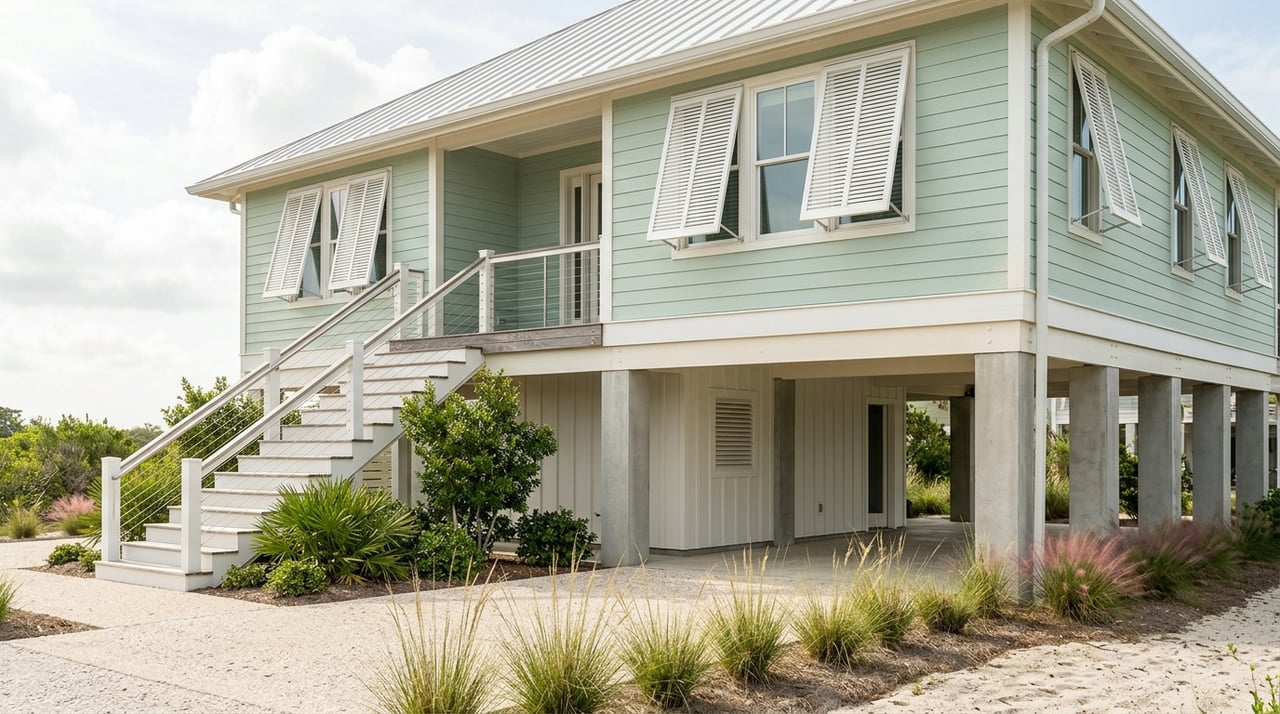
Flood risk is one of the most important topics to review before buying on Folly Beach. According to the city’s flood information page, A and V flood zones can require elevated construction and flood insurance when a mortgage is involved.
The city also says it enforces V-zone construction standards throughout Folly Beach, even in A zones. That tells you just how central flood resilience is to building and owning on the island.
Use official map sources
When you are evaluating a property, check the parcel using FEMA’s Flood Map Service Center. FEMA also notes that most homeowners insurance does not cover flood damage.
This is why flood-zone review should happen early, not late. Before moving forward, you will want a clear understanding of elevation standards, insurance expectations, and how those costs affect your total monthly ownership picture.
Expect erosion and ongoing maintenance
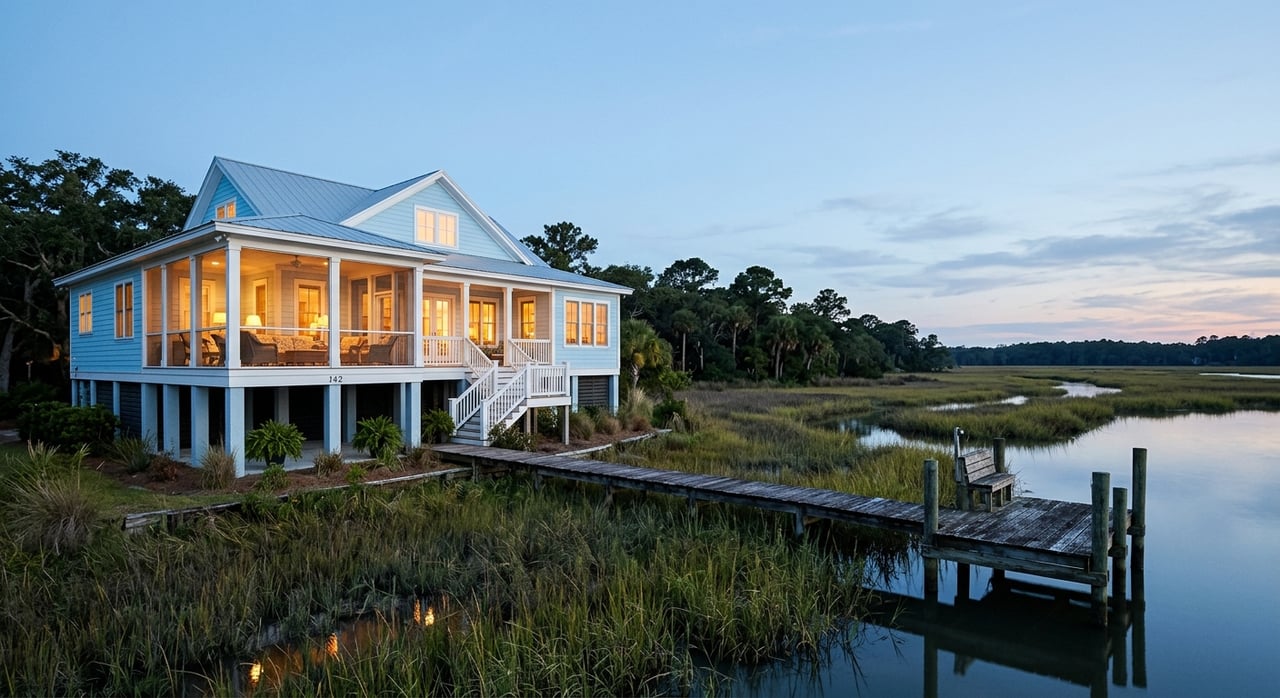
Buying at the beach means buying into an active coastal environment. The city says chronic erosion is Folly Beach’s largest beach-management challenge and works with the U.S. Army Corps of Engineers on periodic beach renourishment and annual monitoring through its beach management and protection program.
In 2024, the Corps said a renourishment project placed 1.3 million cubic yards of sand on the beach and was on track to finish before peak hurricane season. For buyers, that is a reminder that shoreline conditions are managed over time and can affect how the beach looks and functions.
Coastal homes need more attention
FEMA’s coastal construction guidance explains that homes in harsh coastal environments need different design and maintenance practices than inland homes. On Folly Beach, that often translates into more attention to roofs, decks, exterior materials, and storm preparation.
If you are moving from inland or out of state, this is one of the biggest mindset shifts. A beach home can be incredibly rewarding, but it usually asks more from you in upkeep and planning.
Plan for seasonality and storm timing
Seasonality can shape both your lifestyle and your ownership responsibilities. NOAA states that the Atlantic hurricane season runs from June 1 to November 30, with the highest concentration of storms typically in August through October on the National Hurricane Center site.
That does not mean every season brings major impact, but it does mean storm prep should be part of your ownership routine. If you are considering a second home or part-time residence, have a clear plan for monitoring weather, securing the property, and handling maintenance from a distance.
Summer operations can differ
Folly Beach Public Safety says beach patrol operates year-round and increases staffing in spring and summer, while lifeguards at Folly Beach County Park are seasonal. The city also notes that strong rip currents are common, surfing is seasonally restricted in the swimming zone, and beach lights that illuminate the front beach are restricted from May 1 through October 31 to protect sea turtles.
These are not just visitor details. They are part of the rhythm of ownership on the island and can influence how you use the home throughout the year.
A smart buyer checklist
Before buying on Folly Beach, try to answer these questions for each property you seriously consider:
- How close is the home to a public walkover, the pier, the county park, or The Washout?
- What property type is it, and how will that affect maintenance and ownership responsibilities?
- What does the parcel’s zoning allow?
- If you want rental income, is the property registered and aligned with current city requirements?
- What flood zone applies, and what could that mean for construction standards and insurance?
- How will parking work for you and your guests?
- Are you prepared for the extra maintenance that comes with a coastal property?
- What is your plan for storm season and part-time ownership, if applicable?
When you can answer these questions with confidence, you are in a much better position to buy well.
Buying on Folly Beach is about more than finding a beautiful home near the water. It is about matching the property to your lifestyle, understanding the island’s rules and conditions, and knowing what ownership will really look like over time. If you want experienced, high-touch guidance as you explore Folly Beach and other Charleston coastal communities, The Tipple Team is here to help you navigate the details and move forward with confidence.
FAQs
What should buyers know about Folly Beach flood zones?
- Buyers should verify the property’s flood zone through the city’s flood information page and official FEMA mapping, because A and V zones may require elevated construction and flood insurance when financing is involved.
What should buyers know about short-term rentals on Folly Beach?
- Buyers should confirm whether the property appears on the city’s registered short-term rental list and whether current licensing and zoning align with their intended rental use.
What should buyers know about parking rules on Folly Beach?
- Buyers should know that parking rules are strictly enforced, several common parking situations are prohibited, and fines can reach $1,092.
What should buyers know about beach access on Folly Beach?
- Buyers should compare how close each property is to public walkovers and key access points, since access location can strongly affect convenience, guest use, and day-to-day enjoyment.
What should buyers know about maintenance for Folly Beach homes?
- Buyers should expect more ongoing upkeep than many inland homes require, especially for roofs, decks, exterior materials, and storm preparation in a coastal environment.