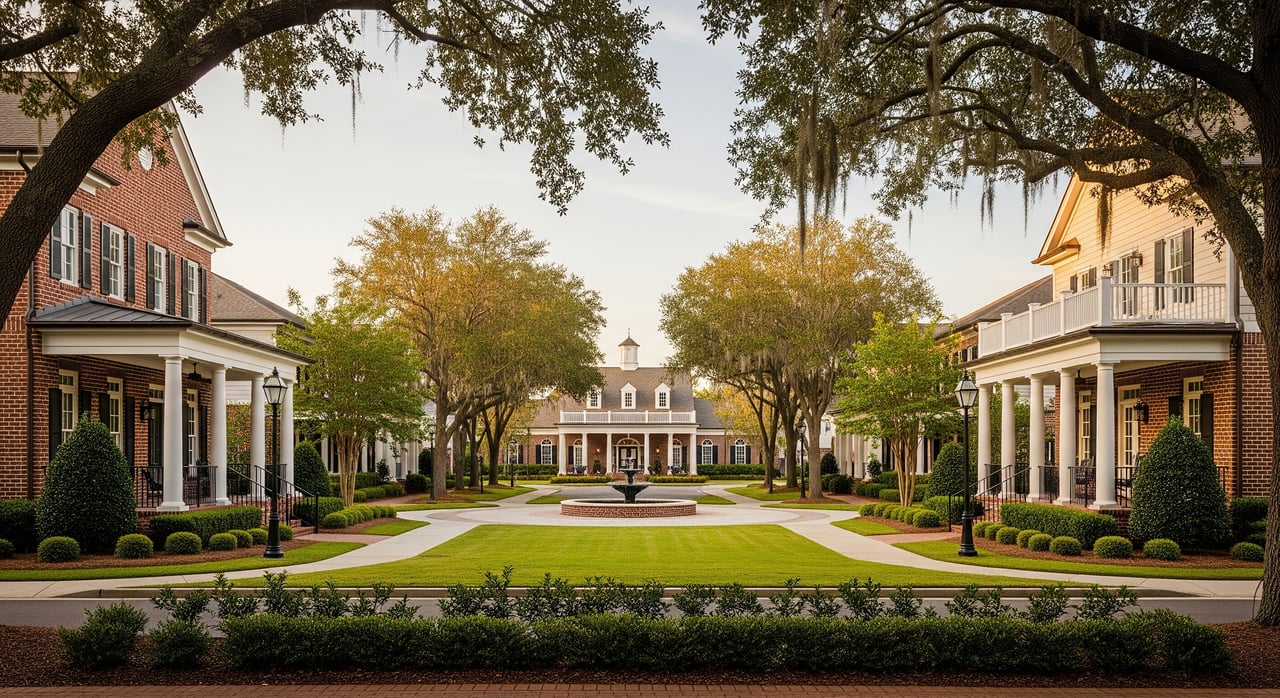
Curious whether a master-planned community is right for you in Summerville? You are not alone. With the Charleston metro growing inland, more buyers and sellers are weighing the trade-offs of living in a large, amenity-rich development with coordinated standards and long-term phasing. In this guide, you will learn what a master-planned community means in Summerville, how these communities are approved and managed, what to check before you buy or sell, and the real pros and cons. Let’s dive in.
What a master-planned community is
A master-planned community is a large, pre-designed development that combines homes with supporting amenities, open space, and infrastructure under one coordinated plan. These communities typically build out in phases over many years and follow design standards enforced by the developer and, later, a homeowners association.
What you typically get
- A mix of housing types, such as single-family homes, townhomes, and sometimes multifamily buildings.
- Community amenities, including parks, trails, pools, clubhouses, and recreation centers.
- Mixed-use or retail nodes that bring services closer to where you live.
- Coordinated roads, sidewalks, bike lanes, and utility planning.
- Design standards and architectural review to maintain a consistent look and feel.
- Stormwater systems and preserved natural areas to manage Lowcountry conditions.
How they are managed
During early phases, the developer usually controls design approvals and common areas. As homes sell, the HOA takes on maintenance and governance under recorded covenants, conditions, and restrictions (CC&Rs) and bylaws. These documents define architectural controls, what requires approval, and how dues and reserves are handled.
How MPCs are approved in Summerville
In Summerville and Dorchester County, master-planned communities are shaped by local planning policies and zoning approvals. Most large communities use a Planned Unit Development or Planned Development framework that allows a mix of uses in exchange for a comprehensive master plan.
Key approvals and agreements
- Comprehensive plans: Town and county long-range plans guide where growth should go and what land uses are appropriate.
- Zoning and PD/PUD approvals: The master plan, densities, and use mix are negotiated and adopted here.
- Site plans and plats: Each phase requires engineering, permitting, and final plats for roads, utilities, and lots.
- Development agreements: These outline who builds or funds roads, water, sewer, open space, and when those improvements must occur.
- HOA and CC&Rs: Recorded governance documents set community standards, fees, and homeowner rights and obligations.
Who to contact locally
If you want to verify approvals or understand what is planned, reach out to:
- Town of Summerville Planning & Development Department for town zoning, permits, and tree ordinances.
- Dorchester County Planning & Zoning for unincorporated-area projects and county-level policy.
- Public works or engineering teams for road, stormwater, and floodplain information.
- Utility providers to confirm water and sewer service and any off-site extensions.
Local factors that shape your experience
Summerville sits within a fast-growing region, and that growth affects daily life in a master-planned community. Before you commit, consider the following.
Growth and buildout timelines
Many MPCs build over years. That means ongoing construction activity, changing traffic patterns as phases open, and amenities delivered on a schedule. Ask for the master plan map showing completed phases, what is coming next, and the expected timing.
Schools and boundaries
School assignments depend on lot location and can change with enrollment shifts. New development can influence capacity and rezoning decisions. Verify the current school assignment for your address and ask about any planned schools or boundary reviews before you buy.
Roads, utilities, and services
Confirm how you will access major roads and what improvements are planned. Internal streets, sidewalks, and bike facilities are part of the master plan, but off-site connections matter for commute times. Also confirm who supplies water and sewer and whether that infrastructure is public or private.
Flooding, drainage, and trees
Lowcountry topography makes stormwater design and floodplain management important. Review FEMA flood maps and any local floodplain requirements, and ask about community stormwater features and maintenance. Summerville places value on tree preservation, so understand any tree protection or landscape requirements that apply to your lot.
Community financing and taxes
Some communities use special districts or other financing to fund roads and utilities. These can affect future taxes or assessments. Ask whether any special assessments, municipal service districts, or similar tools are in place before you finalize your budget.
Buying in a Summerville MPC: your due diligence checklist
Use this checklist to move forward with confidence.
- Get the governing documents. Request the Declaration of CC&Rs, bylaws, articles of incorporation, and amendments.
- Review the HOA budget and reserves. Look at current dues, reserve studies, insurance, and any history of special assessments.
- Confirm developer control. Ask who currently appoints the board and when control transitions to homeowners.
- Verify amenities and timing. Obtain the master plan map and phasing schedule. Note what is built, what is funded, and what is only conceptual.
- Check architectural rules. Understand what needs approval, such as exterior color changes, fencing, sheds, home businesses, parking, or rentals.
- Understand taxes and assessments. Ask about property tax method and any special districts or community financing that may affect your payment.
- Clarify maintenance responsibilities. Confirm whether streets, sidewalks, stormwater ponds, and open spaces are public or privately maintained by the HOA.
- Verify utilities and service providers. Confirm water, sewer, trash, and who to call for service or repairs.
- Confirm school assignments. Check the specific lot’s current school assignment and ask about any planned changes.
- Evaluate commute and access. Review current traffic patterns and planned roadway improvements that could alter travel times.
- Assess flood risk and insurance. Review FEMA flood maps and ask for elevation information if available. If the lot is in a flood zone, discuss insurance implications.
- Consider resale. Weigh how HOA rules, rental restrictions, and amenity quality will affect the future buyer pool, especially if new-home construction will continue nearby.
Selling in a Summerville MPC: what to know
Resale success often comes down to clarity and positioning. Here is how to prepare.
Disclosures and documents
Be ready to disclose HOA dues, special assessments, CC&Rs, and any known construction activity or upcoming phases that could affect access or noise. Buyers and lenders may request an estoppel certificate that confirms HOA standing and fees.
Pricing and competition with builders
If builders are still active, their incentives can influence buyer decisions. Track current builder pricing and promotions in your community and nearby subdivisions so you can price and position your home strategically.
Timing and HOA control
If the developer still controls common areas or design approvals, ask whether any permissions are needed for exterior conditions before closing. Clarify rules around signage, staging, or timing that might affect your listing plan.
Pros and cons of MPC life
Every community has trade-offs. Weigh these against your goals and budget.
Pros
- Integrated amenities, parks, trails, and gathering spaces.
- Predictable design standards that maintain a cohesive look.
- Coordinated infrastructure and new utilities.
- Lifestyle programming and shared spaces that make it easy to connect.
Cons
- HOA dues and rules that limit certain property uses.
- Construction impacts if buildout will continue for years.
- Potential for special assessments or changes in the plan based on market conditions.
- Less flexibility for customization and a more uniform streetscape.
- Risk that planned retail or amenities arrive later than expected or change scope.
How we help you navigate Summerville MPCs
Buying or selling in a master-planned community is part real estate and part project planning. We bring experience with new construction, developer processes, and neighborhood governance so you can make decisions with confidence. We will help you gather and interpret HOA documents, confirm approvals and phasing, coordinate with builder teams, and craft a pricing and marketing plan that reflects current conditions on the ground.
If you are considering a move in Summerville or want a second opinion on a specific community’s plan, connect with us. Start a conversation with Carey Tipple to explore your options and next steps.
FAQs
What defines a master-planned community in Summerville?
- A large, coordinated development that mixes homes with amenities, open space, and infrastructure under a long-term master plan, often built in phases with HOA governance.
How are master-planned communities approved locally?
- Most use Planned Development or PUD zoning, with approvals tied to the town or county comprehensive plan, site plans, plats, and development agreements that assign infrastructure duties.
What should I ask about future amenities before I buy?
- Request the master plan map, phasing schedule, and any commitments in writing for pools, parks, trails, or retail, plus estimated timelines and maintenance responsibilities.
How do HOAs typically work in these communities?
- HOAs enforce CC&Rs, manage common areas and reserves, and may require architectural approvals for exterior changes, with control shifting from developer to owners over time.
How does flood risk affect buying in Dorchester County?
- Check FEMA flood maps for your lot, review stormwater features, and confirm insurance requirements since flood zones can impact coverage and lending.
Will builder activity affect my resale in an MPC?
- Yes, active builders can compete on price and incentives, so monitor current offerings and position your home on completed amenities, condition, and timing.