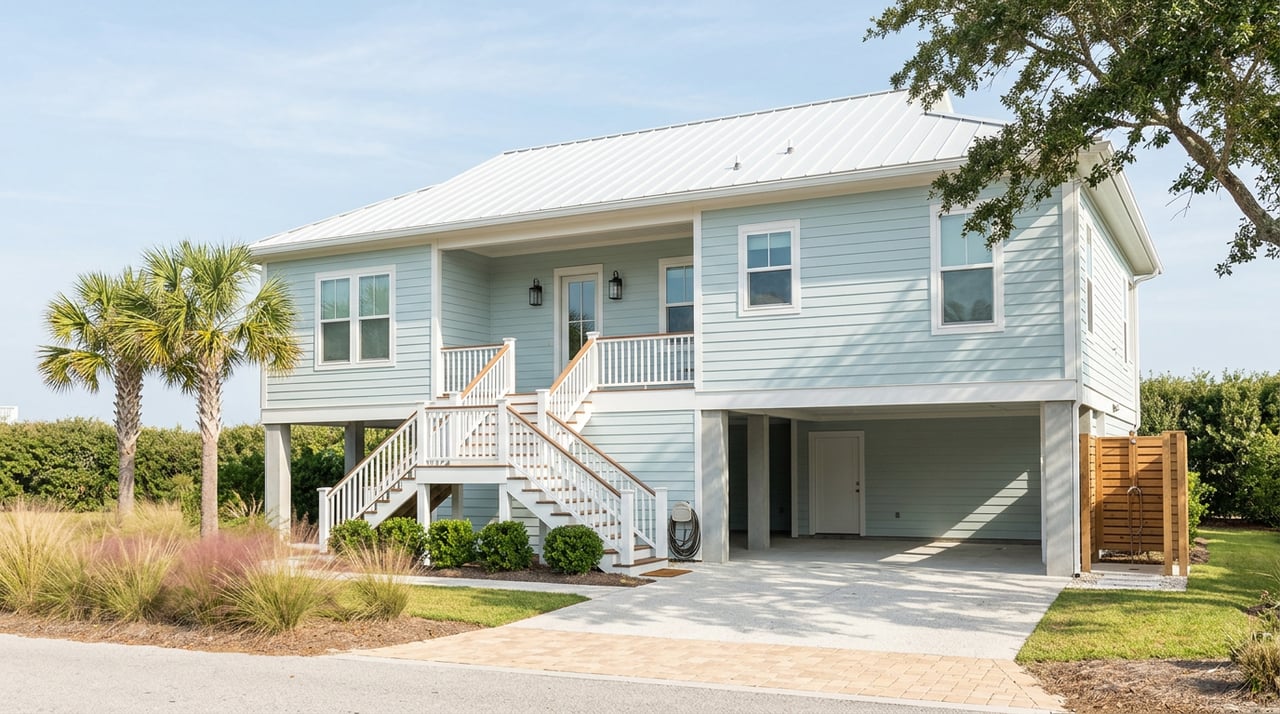
Picture your weekends on Isle of Palms: coffee on the deck, toes in the sand, and sunset boat rides along the marsh. If you are weighing a second home here, you also want clarity on rules, risks, and real costs. In this guide, you will learn the key decisions, due diligence steps, and local requirements that shape a smart purchase. Let’s dive in.
Why Isle of Palms appeals
You get a laid-back beach lifestyle minutes from Charleston, with wide beaches, resort amenities, and easy access to Mt. Pleasant. Typical home values range from high six figures to multi-million, with a recent market snapshot around $1.57 million for the typical home. That sets helpful budget expectations as you choose between oceanfront, beach-view, or marsh-side locations.
Choose your site wisely
Oceanfront pros and cons
Oceanfront delivers top-tier views, walk-out beach access, and the strongest vacation-rental appeal. It also brings higher exposure to storm surge and dune change, which can affect insurance and engineering requirements. The City and the U.S. Army Corps have active sand placement projects that improve long-term beach width but can create temporary beach access changes during work windows. Review the city’s summary of beneficial-use sand placement and temporary closures for timing by block.
Second row and beach-view
Second-row homes often capture similar views at a lower price point and may see moderated insurance costs, depending on elevation and exact flood zone. You still need to confirm FEMA flood zones and finished-floor elevations. Traffic and parking near public beach access paths can influence daily convenience, so scout the street at different times.
Marsh, Intracoastal, and marina areas
Marsh and Intracoastal locations offer calm water, sunset views, and boating access. These sites can feel more sheltered from direct ocean wave action, but tidal flooding and higher base flood elevations still apply. Plan for bulkhead, dock, and boat-lift upkeep, along with routine pest management in the warmer months.
Pro tip: Before finalizing an offer, request an elevation certificate if available and plan for a formal lender flood determination. Local floodplain rules and lender findings drive what insurance you will need.
Know the flood and elevation rules
Local standards that matter
Isle of Palms participates in the National Flood Insurance Program and enforces floodplain standards for new construction and substantial improvements. The city requires meeting the FEMA base flood elevation plus one foot, and maintains a local minimum finished-floor elevation standard in its ordinance. Review the City’s flood damage prevention requirements if you plan to renovate or build.
Insurance and wind coverage
Coastal insurance is specialized. Plan for separate wind or hurricane deductibles, and ask for written quotes from carriers that actively write in Charleston County. The S.C. Department of Insurance outlines coastal programs, mitigation credits for impact protection, and consumer tools on its Coastal Insurance resources page. Availability and rates can change quickly after active storm seasons, so refresh quotes during your due diligence.
Hurricane season timing
The Atlantic hurricane season runs June 1 to November 30. If you are closing or planning renovations in that window, discuss insurance binding timing and preparedness with your carrier. Keep a seasonal plan for shuttering, securing outdoor furniture, and post-storm inspections.
If you plan to rent: STR rules
Short-term rentals on IOP require an annual business license, adherence to occupancy and parking limits, and a 24/7 local contact who can be on-site within one hour. The City also requires posting its maximum-occupancy notice inside the home and enforces rules with meaningful penalties for repeated violations. Rental receipts are subject to a multi-tier tax structure that currently totals roughly 14 percent for short stays. Review the City’s official short-term rental license and rules to understand licensing, occupancy, parking, and remittance details.
If you are underwriting rental income, confirm that zoning and any community covenants allow STR use, and request prior-year rental statements plus the property’s STR license history. Whole-home rentals are the standard for single-family zoning on IOP. Build time into your closing timeline to apply for the license and set up tax collection.
Taxes, HOA fees, and holding costs
Property-tax assessment ratio
South Carolina applies a 4 percent assessment ratio to owner-occupied primary residences and 6 percent to second homes and residential investment property. If you will use the home as a second residence or rent it regularly, your assessment ratio is typically 6 percent. Read the statute for details in SC Code §12-43-220, and model totals using the City’s current millage examples in the FY26 budget document. Your final bill combines county, school, municipal, and any special assessments.
HOA and regime considerations
HOA and regime fees vary widely across IOP, including within resort settings like Wild Dunes. Expect a recurring regime or HOA fee that covers certain common services and building-level insurance, plus potential one-time capital or transfer contributions at resale. As a rule, ask for the governing documents, recent meeting minutes, budgets and reserve studies, and master insurance declarations so you understand coverage and deductibles. Master policies often cover building envelopes but not your contents or certain deductibles, which can change how you structure personal coverage.
Utilities and upkeep rhythm
Confirm municipal water and sewer service through the Isle of Palms Water & Sewer Commission, including account setup and any connection fees. Plan for coastal maintenance patterns: spring HVAC service, regular pressure washing and corrosion control, pest and landscape service, dune path care near walkovers, and hurricane prep and re-opening tasks. If you are not local, a trusted property manager can coordinate winterization, vendor access, and post-storm checks.
Financing a second home
Conventional second-home loans often require higher down payments and liquid reserves than primary residences. Many buyers should expect 10 to 20 percent down, depending on the lender, loan size, and how the property is classified. If you will operate the home as a business with regular short-term rental activity, lenders may treat it as an investment property with stricter terms. Get pre-qualified early and discuss reserves, occupancy intent, and any STR implications with your lender.
Seasonality and rental demand
IOP sees peak visitor demand in summer, strong shoulder seasons in spring and early fall, and softer winter months that can attract longer stays. If you plan to host guests, set expectations for night rules during sea-turtle nesting season from May 1 to October 31. Align your maintenance schedule and any major exterior work around peak booking windows and the City’s beach project timelines, especially if you are oceanfront or near an active work zone.
Smart due-diligence checklist
Use this list to streamline your offer and inspection period:
- Verify the FEMA flood zone for the parcel and request an elevation certificate if available. A lender flood determination will drive any mandatory flood coverage.
- If rental income matters, collect prior-year rental statements, occupancy calendars, and the home’s STR license record.
- Request HOA or regime documents, recent minutes, reserve study, budget, and master insurance declarations. Confirm any capital contributions or transfer fees at closing.
- Ask for itemized records of roof, window, and hurricane-related repairs, including permits and transferable warranties.
- Obtain written homeowner and wind/hail quotes from local carriers. Ask about percentage hurricane deductibles and mitigation credits.
- Confirm STR licensing requirements and compliance with the City, including occupancy and parking rules.
- Contact local utilities to confirm service setup, fees, and any known issues.
- Model taxes under the 4 percent vs 6 percent assessment rules and confirm with your lender and tax professional.
- If oceanfront or near active beach work, review the City’s project updates for potential short-term access impacts.
Your next step
Buying a second home on Isle of Palms should feel exciting and well planned. We help you align lifestyle goals with the right site, confirm the details that affect insurance and taxes, and connect you with trusted local pros. If you are ready to explore, schedule a consultation and we will tailor a plan to your timeline and budget. Connect with The Tipple Team to get started.
FAQs
Will my lender require flood insurance on Isle of Palms?
- If the lender’s determination places the home in a Special Flood Hazard Area, flood insurance is required. Use FEMA’s Flood Map Service Center and confirm the lender’s finding.
How are second-home property taxes calculated on IOP?
- South Carolina applies a 6 percent assessment ratio to second homes and residential rentals, versus 4 percent for primary residences. See SC Code §12-43-220 and model totals with the City’s millage examples.
What are the short-term rental rules on IOP?
- You need an annual license, must follow occupancy and parking limits, and must list a 24/7 local contact. Review the City’s short-term rental page for forms, rules, and current fees.
When is hurricane season in South Carolina?
- The Atlantic hurricane season runs from June 1 through November 30. Plan policy binding and preparedness accordingly. See NOAA’s guidance on hurricane season.
Who provides water and sewer service on Isle of Palms?
- Municipal service is provided by the Isle of Palms Water & Sewer Commission. Contact them for account setup, billing, and connection details.