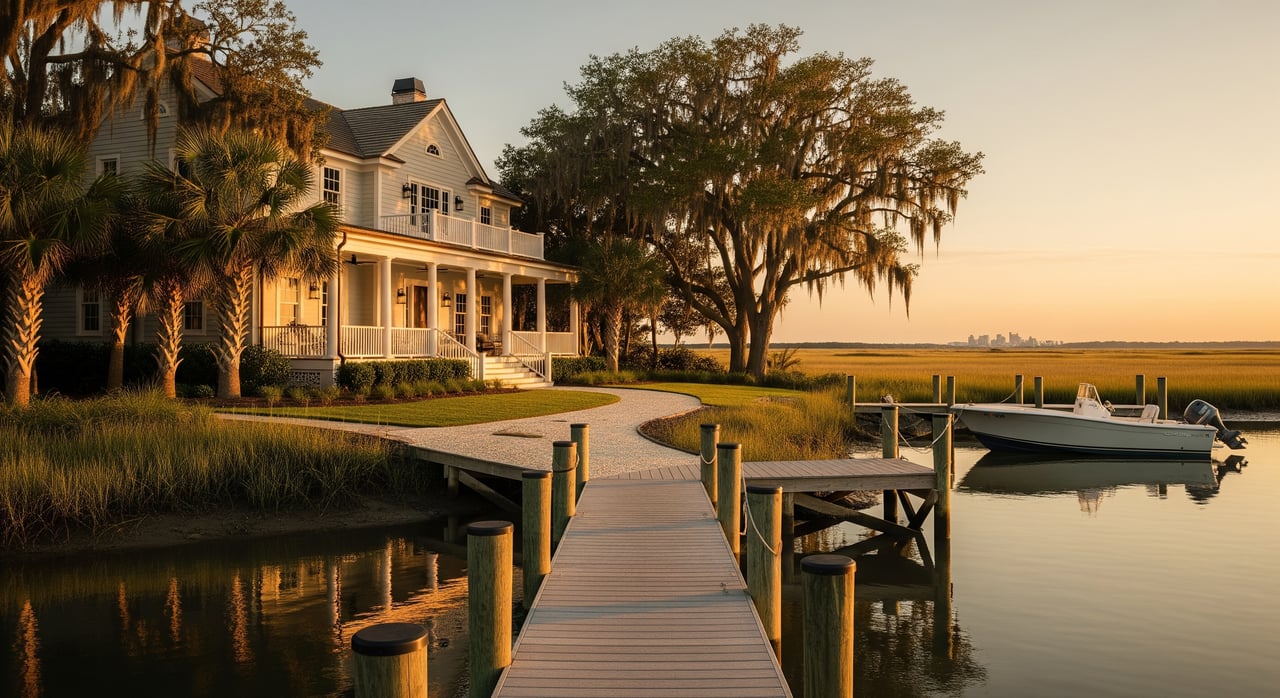
Thinking about moving to James Island? You are not alone. This coastal community sits between downtown Charleston and Folly Beach, which makes it a favorite for people who want easy access to work, culture, and the water. Planning a move here can feel complex, especially with coastal considerations like flood zones, hurricane prep, and insurance. In this guide, you will get a clear timeline, realistic cost categories, and local tips to make your move smoother. Let’s dive in.
Why James Island works for relocators
James Island gives you suburban comfort with quick access to downtown Charleston. Typical drive times to the peninsula can be 10 to 30 minutes depending on traffic and exact start and end points. The island connects to neighboring areas by several bridges and main roads, though you should expect congestion during summer and rush hours.
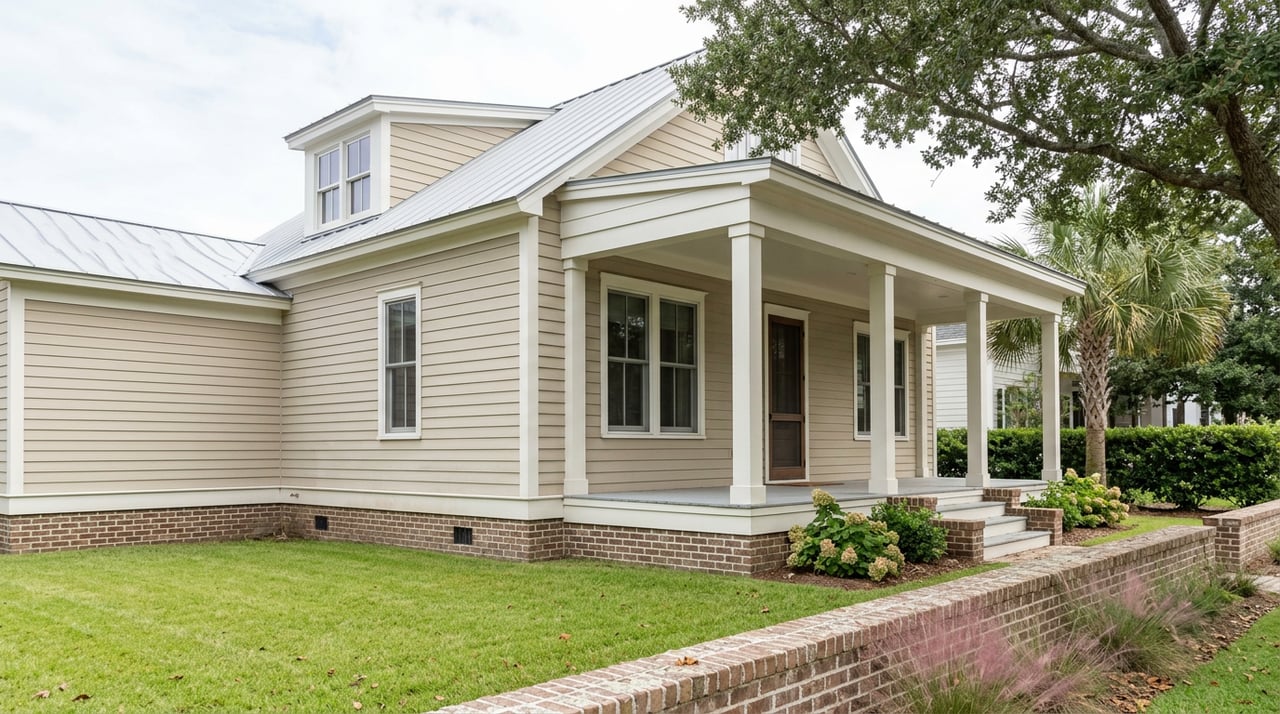
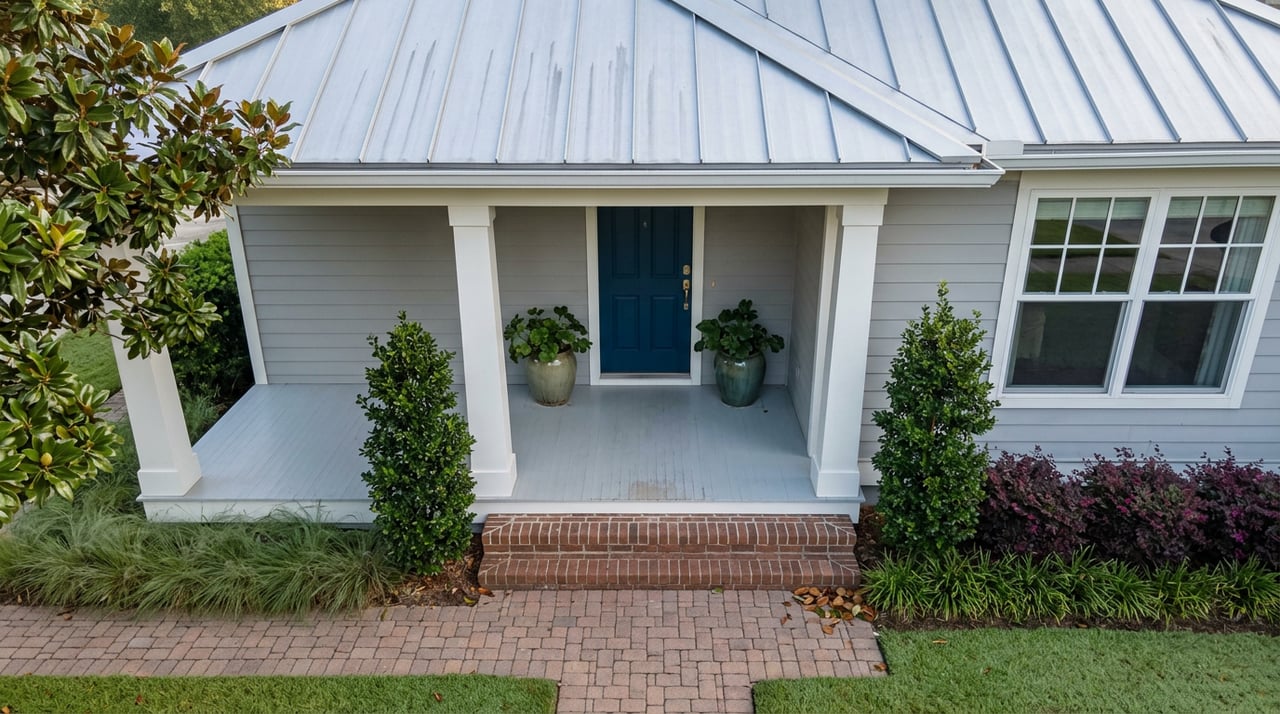
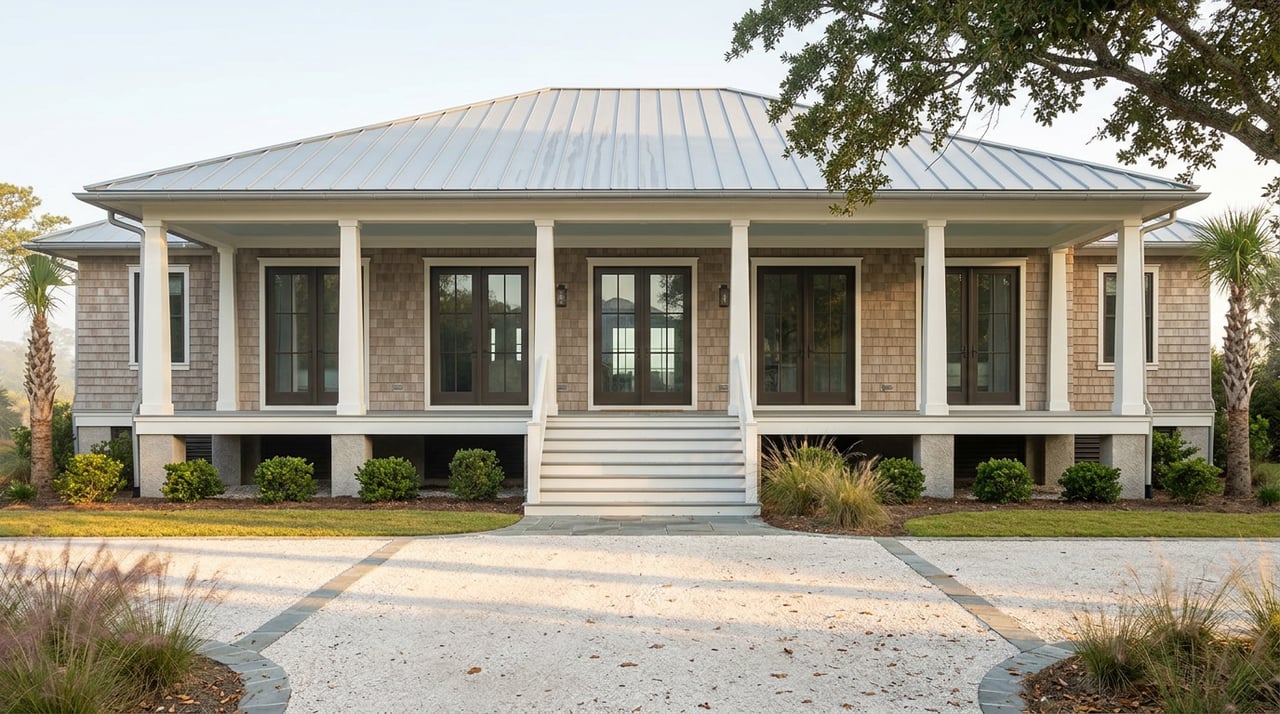
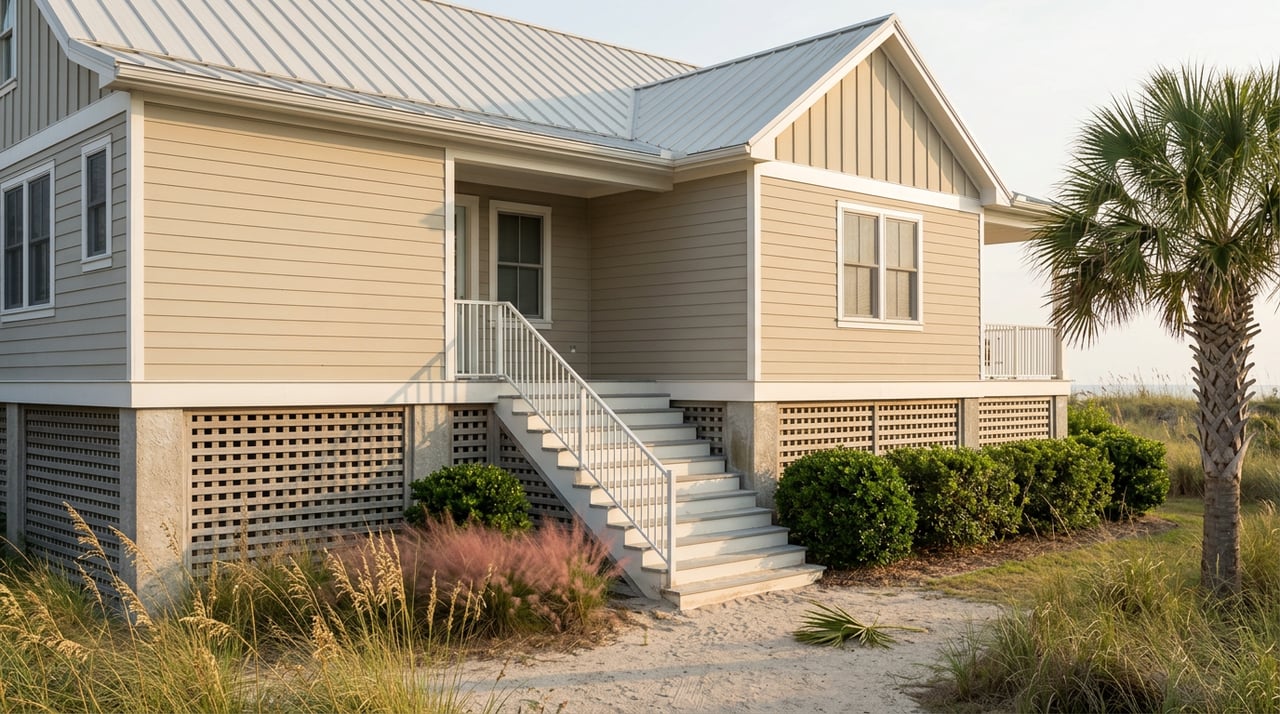
You will find a mix of older cottages, mid-century ranches, townhomes and condos, and newer single-family neighborhoods. Many buyers choose James Island for its proximity to Folly Beach, parks, and boating. Market conditions change quickly, so plan to verify current inventory, days on market, and pricing through local MLS data at the time you search.
Your relocation timeline
3+ months out
- Research neighborhoods on James Island for commute routes, flood risk, school options, and any HOA rules.
- Build a budget that includes housing, moving, utilities, and insurance.
- If buying, start mortgage pre-approval and your home search. Line up an agent and plan for inspections.
- If renting, gather application documents such as proof of income and references. Begin screening listings.
6 to 8 weeks out
- Reserve movers, a truck, or a container. Popular summer and weekend dates book quickly.
- If you plan to use a portable container or street parking for a truck, check local permitting and HOA restrictions.
- Start school enrollment or transfers if applicable. Review any deadlines for programs.
- Compare internet and utility options for your future address and schedule start dates.
2 to 3 weeks out
- Finalize a packing plan and donate or sell items you do not need.
- Confirm moving-day logistics, including parking permissions, condo elevator reservations, and HOA move-in rules.
- File your change of address and update employers, banks, insurance carriers, and the DMV.
3 to 7 days out
- Reconfirm your movers and on-site contact.
- Pack an essentials box with documents, medications, chargers, and basic kitchen items.
- Record meter readings at your current home. Confirm utilities are active at your new address.
Moving day and after
- Walk the property with the movers to note condition and keep a signed inventory.
- If buying, transfer utilities into your name and schedule any follow-up inspections such as HVAC or pest.
- If renting, review your lease for move-out cleaning and the timeline for deposit returns.
What it costs to move
Moving services
- Local moves within the metro typically range from hundreds to a few thousand dollars depending on home size and time. Always get written quotes from 2 to 3 movers.
- Long-distance moves vary widely by distance and volume. Larger moves can reach several thousand dollars. Ask for binding estimates when possible.
- Truck rentals can lower costs but require your own labor. Do not forget mileage, fuel, and add-ons.
- Budget extras like packing materials, packing service, stair or elevator fees, long-carry charges, storage, mover insurance or valuation, and tips.
Home purchase and ownership costs
- Purchase prices on James Island shift with market cycles. Rely on current MLS data for an accurate picture during your search.
- South Carolina’s effective property tax rates are often lower than many states, but millage varies by area. Verify estimates for a specific property with the Charleston County Assessor and GIS tools.
- If a property has an HOA, confirm what the fee includes and any rules that affect your plans.
Renting costs
- Rents change with demand and season. Expect to provide the first month’s rent and a security deposit, and check for application fees.
- Ask about pet policies, parking, and move-in fees for condo or apartment communities.
Utilities and setup
- Initial setup may include deposits or credit checks for electric, water, gas, and internet.
- Ongoing monthly bills often include electric, water and sewer, gas, trash collection, internet, and any streaming or cable services.
- Trash and recycling schedules vary by neighborhood. If you are considering a property with a septic system, factor in periodic servicing.
Insurance, flood, and hurricane planning
- Get homeowner’s insurance quotes that include wind and hurricane coverage. Many coastal policies use a hurricane deductible as a percentage of dwelling value.
- Many James Island properties are in FEMA flood zones. Lenders usually require flood insurance for high-risk zones such as AE or VE. Premiums vary by zone, elevation, mitigation features, and whether you use NFIP or private coverage.
- Ask about elevation certificates and wind mitigation inspections. These can reduce premiums in some cases.
Coastal due diligence checklist
Buying or renting near the coast comes with extra steps. Use this quick checklist to avoid surprises.
- Verify the FEMA flood zone for the exact address. Ask for an elevation certificate if available.
- Review hurricane deductibles and claim timelines with your insurer.
- Order thorough inspections that cover roof age and condition, HVAC, plumbing, electrical, termite or other wood-destroying insects, moisture or mold, and salt-air corrosion.
- Confirm whether the property is on septic or public sewer. If septic, schedule an inspection.
- Ask about any previous flood, storm, or insurance claims.
- Read HOA documents for move-in rules, exterior changes, rentals, parking, and architectural approvals.
- Confirm any permits needed for moving trucks, PODs, or temporary parking.
Commuting, permits, and logistics
Commutes from James Island to downtown can be short, though bridge traffic and peak tourism times can add delays. Test your route at the hours you plan to travel. If you will park downtown, factor in garage costs and availability.
Some streets and communities require permits for moving vehicles or portable containers. In tighter areas, you may need to coordinate specific delivery windows. Always confirm with the City of Charleston, Charleston County, or your HOA.
Schools and childcare basics
James Island is within the Charleston County School District. You will also find charter and private options in the broader area. If schools are part of your decision, confirm enrollment zones and transfer policies directly with the district.
Compare publicly available performance measures on independent sites if helpful, and always verify eligibility for your exact address with the district. Note application windows for charter or magnet programs.
Utilities and internet setup
Utilities vary by address, so plan to confirm providers for electric, gas, water and sewer, and trash service. Most will ask for photo ID, proof of ownership or lease, and may require a deposit based on credit.
Internet speeds and providers can influence your daily life and remote work. Check service availability and plans at the specific property. Schedule installation for the day you arrive or shortly after.
Lifestyle essentials near James Island
Parks and recreation are part of the draw. James Island County Park offers trails and seasonal attractions, and you have convenient access to boat ramps and Folly Beach. For healthcare, you are close to Charleston’s major medical facilities, including MUSC, as well as regional clinics and urgent care options.
Grocery, dining, and neighborhood retail are easy to reach across the island and into downtown Charleston. If you have favorite stores or gyms, check drive times at your typical hours.
Ready to relocate like a local?
A smooth move to James Island comes down to preparation. Build your budget, follow a realistic timeline, and complete coastal due diligence before you sign or close. If you want a guide who knows the island, we are here to help you align timing, inspections, and contract details with your goals.
For a tailored plan and address-level insights, connect with The Tipple Team. Schedule a personalized consultation and move forward with clarity and confidence.
FAQs
What is a typical commute from James Island to downtown Charleston?
- Drive times are often 10 to 30 minutes depending on traffic, start and end points, and bridge conditions, so test your route at the hours you plan to travel.
How much should I budget for a local move to James Island?
- A 1 to 3 bedroom local move often ranges from hundreds to a few thousand dollars based on time and volume, so get 2 to 3 written quotes to compare.
Do I need flood insurance when buying on James Island?
- Lenders usually require flood insurance for homes in high-risk FEMA zones such as AE or VE, and premiums depend on zone, elevation, and mitigation features.
What inspections are most important for coastal homes on James Island?
- Prioritize roof, HVAC, plumbing, electrical, termite or wood-destroying insects, moisture or mold, and salt-air corrosion, plus septic inspection if applicable.
How do HOAs and permits affect moving day on James Island?
- Many communities have rules for move-in windows, parking, and PODs, and streets may require permits for trucks, so confirm requirements with your HOA and local authorities.