Eyeing a waterfront home or new build in Mount Pleasant and wondering if you’ll need a jumbo loan? You’re not alone. Many homes in our coastal market sit above standard loan limits, and financing them works a bit differently. In this guide, you’ll learn what counts as a jumbo loan, how lenders evaluate borrowers, the true costs to expect in our area, and practical steps to prepare. Let’s dive in.
Jumbo loan basics
A jumbo loan is a mortgage that exceeds the conforming limit set each year by the Federal Housing Finance Agency. Loans above that limit are not eligible for purchase by Fannie Mae or Freddie Mac, so lenders apply different underwriting and pricing standards.
Whether your Mount Pleasant purchase is considered jumbo depends on the current year’s FHFA conforming limit and the county’s designation. Charleston County has historically aligned with the national baseline rather than a high-cost exception, so many upper-tier homes here fall into jumbo territory. Always confirm the current year’s limit before you shop.
When a purchase becomes jumbo
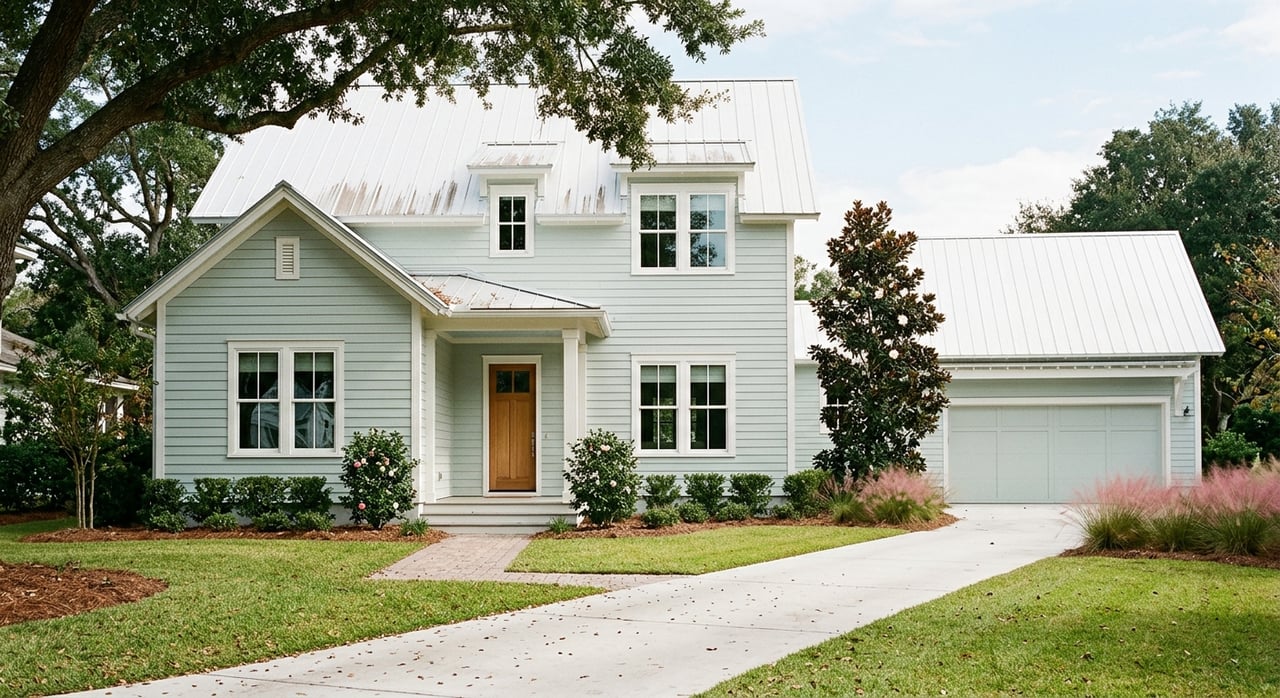
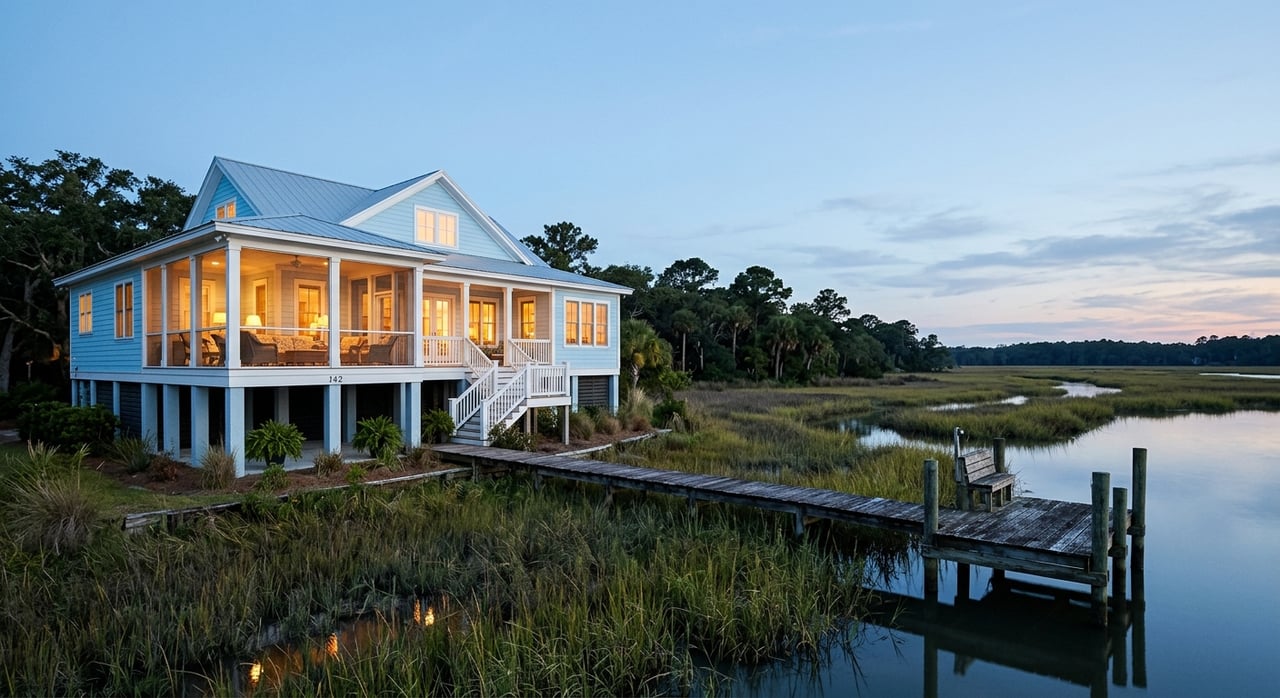
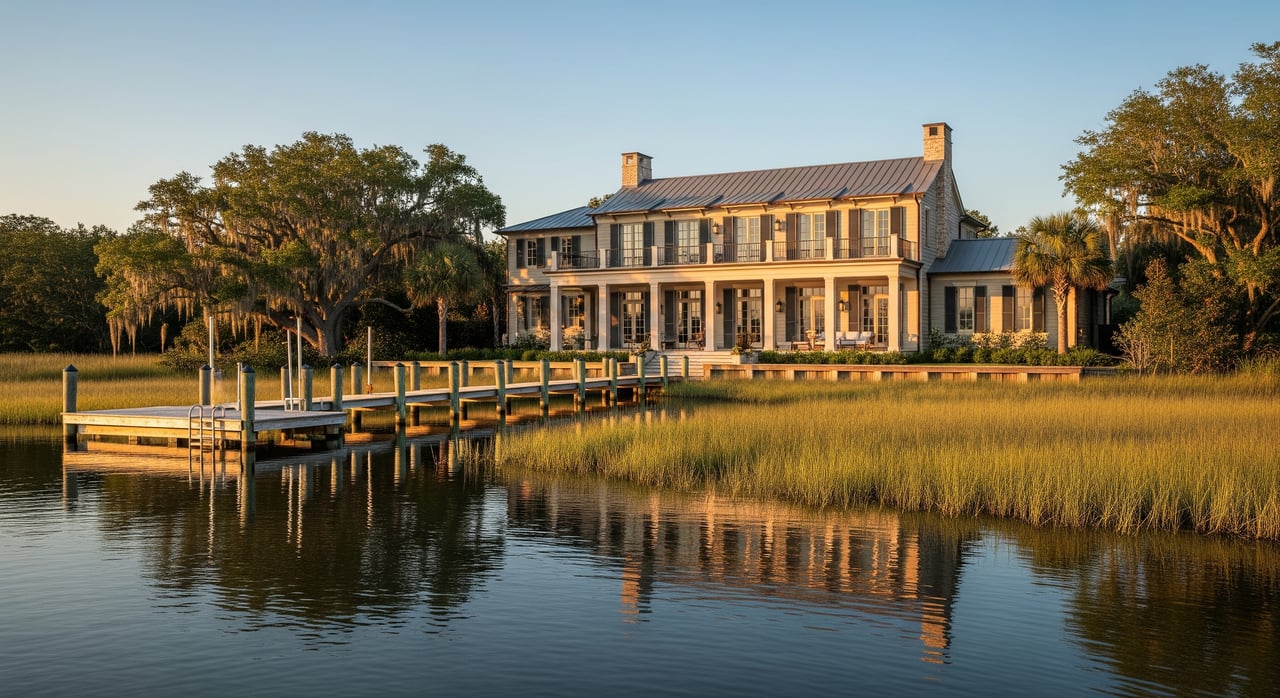
Mount Pleasant includes waterfront properties, elevated coastal homes, luxury townhomes, and custom builds. As prices rise in these segments, more buyers cross the line into jumbo financing. Even if your home price is near the threshold, coastal costs such as flood insurance and HOA dues affect total monthly expenses and can shape how a lender views your profile.
If you are moving up, relocating, or purchasing a second home, plan early. A few simple steps up front can help you avoid surprises once you are under contract.
Underwriting and borrower requirements
Jumbo loans carry more lender risk, so underwriting is usually more document-heavy and detailed. Standards vary by lender, but here is what you should expect.
Credit and DTI expectations
- Lenders commonly look for stronger credit, often in the low 700s or higher for the best pricing.
- Debt-to-income ratios typically need to be lower, with many lenders preferring 43 percent or less for strong applicants.
- Some lenders stretch guidelines with compensating factors, but you should expect tighter review than with a conforming loan.
Down payment and reserves
- Many jumbo programs target 70 to 80 percent loan-to-value for best terms. Some allow higher LTVs with stricter requirements.
- Cash reserves are common, often 6 to 12 months of full mortgage payments held in accounts the lender can verify.
- If you plan to put less than 20 percent down, know that standard PMI for conforming loans does not apply. Lenders may require lower LTVs, additional reserves, or lender-specific insurance structures.
Documents and appraisal
- Expect two years of tax returns and W-2s, or tax returns and CPA documentation if you are self-employed.
- Recent bank and investment statements will be needed to source your down payment and reserves, along with letters for any gifts.
- Appraisals for high-value or unique properties are thorough. Waterfront homes, elevated construction, and custom features can require extra analysis or a second review.
Pricing, rates, and costs
Jumbo pricing moves with the market and your profile.
Rate spread realities
Historically, jumbo rates ran higher than conforming. In some periods the gap narrows. Your rate depends on loan size, LTV, credit, reserves, and lender appetite for jumbo loans at that moment.
Insurance, taxes, and HOA impact
In Mount Pleasant, flood insurance, homeowners insurance, and HOA or POA dues are part of the monthly cost and counted in your qualification. Elevated homes and coastal construction standards can increase replacement costs, which may raise insurance premiums. Keep these line items in your budget, since they also influence debt-to-income calculations.
Closing cost extras
Plan for higher appraisal fees on luxury or complex properties. You may also need a survey or elevation certificate for flood coverage. Title and lender fees scale with loan size, so total closing costs are often higher than on smaller conforming loans.
Product types you may see
Jumbo financing is not one-size-fits-all. Knowing your options helps you compare offers effectively.
High-balance vs true jumbo
In high-cost counties, conforming limits can be higher and still eligible for agency purchase. If Charleston County is not designated as high-cost for the year, any loan over the baseline is a true jumbo with different rules. Verify your county’s status before you write an offer.
Portfolio and non-QM options
Many local banks and credit unions keep jumbo loans on their own books. These portfolio programs can be flexible on certain overlays. Non-QM options exist for self-employed or complex income profiles, but they usually come with higher rates and fees.
Fixed vs adjustable
You will find both fixed-rate and adjustable-rate jumbos. ARMs can offer a lower initial rate if you plan to refinance or sell within the fixed period. Fixed rates provide payment certainty over the long term. Choose based on your time horizon and risk comfort.
Mount Pleasant specifics that matter
Local property features play a big role in jumbo approval and carrying costs.
Flood zones and insurance
If your home sits in a FEMA flood zone, lenders will require flood insurance. Premiums, coverage limits, and elevation certificates can affect qualification and reserves. Work with your insurance agent early so you can price coverage accurately before you lock your rate.
Condos and project approvals
For condos and certain townhome communities, lenders often require project-level review. Small projects or higher-LTV condo loans face closer scrutiny. If you are eyeing a new or boutique development, plan extra time for approvals.
Appraisal timing and comps
Water frontage, views, docks, and custom finishes can limit comparable sales. Appraisals may take longer and sometimes require a second opinion. Build that timing into your offer strategy, especially during busy seasons.
Resale and liquidity
Higher-end or highly unique properties can take longer to resell. Lenders know this and may require stronger reserves. It is also smart for you to plan a cushion for holding costs.
Smart process checklist
Use this step-by-step plan to keep your purchase on track.
- Confirm likely loan amount. Compare your target price to the current FHFA conforming limit to see if you are in jumbo territory.
- Get preapproved early. Ask for a written preapproval that outlines credit score assumptions, maximum LTV, required reserves, and any conditions.
- Compare multiple lenders. Include a mix of local banks or credit unions, national jumbo specialists, and experienced mortgage brokers.
- Gather documents upfront. Two years of tax returns, W-2s, recent bank and retirement statements, and explanations for large deposits will speed underwriting.
- Price insurance early. Request homeowners and flood quotes and confirm coverage limits. Share the projected premiums with your lender so your ratios are accurate.
- Plan your timeline. Appraisals on complex properties can take longer. Coordinate with your agent, lender, and appraiser at the start of the contract period.
- Discuss rate locks. Ask about lock periods for large loans, any float-down options, and extension costs if the appraisal runs long.
- Budget for closing costs. Set aside funds for a higher-cost appraisal, potential surveys or elevation certificates, title and lender fees, and prepaids.
How we help in Mount Pleasant
Buying in a coastal luxury market demands clear guidance and consistent follow-through. We coordinate with lenders who understand flood zones, elevated construction, condo approvals, and HOA requirements so your preapproval matches your real costs. We help you price insurance, plan appraisal timing, and craft a contract strategy that fits jumbo underwriting.
If you are exploring new construction, we align your builder timeline with lending milestones and reserves. For waterfront and custom homes, we prepare data on comps and unique features to support the appraisal process. Our goal is simple. We help you close with confidence and avoid preventable delays.
Ready to talk through your goals and budget, and map a plan that fits the Mount Pleasant market? Connect with Carey Tipple to schedule a personalized consultation.
FAQs
What is a jumbo loan in Mount Pleasant?
- A jumbo loan is a mortgage amount above the FHFA conforming limit for the year and county, which triggers different underwriting and pricing than conforming loans.
How do jumbo credit and DTI rules differ?
- Lenders usually expect stronger credit, often in the low 700s or higher, and prefer lower debt-to-income ratios, commonly near or below 43 percent for strong applicants.
Do I need 20 percent down for a jumbo?
- Not always, but many jumbo programs price best at 20 to 30 percent down and often require significant cash reserves, especially at higher loan-to-value ratios.
Are jumbo rates always higher than conforming?
- Not always; the spread changes with market conditions. Your rate depends on loan size, LTV, credit, reserves, and each lender’s appetite for jumbo loans.
How do flood zones affect jumbo approval?
- Lenders require flood insurance when applicable, and they may review elevation certificates and replacement cost estimates, which can influence DTI and required reserves.
Can I use a jumbo loan for a second home?
- Yes, but expect tighter standards, more reserves, and potentially lower allowable LTV compared with a primary residence.